Buy Kickstart

This plugin is life-changing. I’ve told Nicky it would be awesome to make the bass & duck communicate, and he’s done it! Just by moving the slope, I have a perfect sidechain for my kick.

Mixing in 2022 is more important than ever, especially for dance floor tracks. The kick is the most important element in most dance tracks and it really needs a proper place in your mix. This new version gives more hands on tools to shape the place of your kick in the mix, to make sure it has the perfect impact on the dance floor! Essential!
A sidechain tool I've been looking for my whole life. Thank you Nicky for letting me help during the development of the plugin. It's a must have tool!
An already powerful tool just got even better. Kickstart 2 comes with insane flexibility and awaited new features. The perfect side-chain pump plug-in just arrived… and she’s gorgeous.
This plugin is life-changing. I’ve told Nicky it would be awesome to make the bass & duck communicate, and he’s done it! Just by moving the slope, I have a perfect sidechain for my kick.
Mixing in 2022 is more important than ever, especially for dance floor tracks. This new version gives more hands on tools to shape the place of your kick in the mix, to make sure it has the perfect impact on the dance floor! Essential!
A sidechain tool I've been looking for my whole life. Thank you Nicky for letting me help during the development of the plugin. It's a must have tool!
An already powerful tool just got even better. Kickstart 2 comes with insane flexibility and awaited new features. The perfect side-chain pump plug-in just arrived… and she’s gorgeous.
Kickstart 2 instantly solves the problem of clashing, muddled kick and bass.
Forget fiddling about with compressors – Nicky Romero and Cableguys put everything you need for professional sidechaining into one fast, easy plugin. Just drop Kickstart on any track to instantly duck the volume with each kick drum, creating space for your bass.
Now your kick and bass will punch right through the speakers with professional impact, definition and groove. Use it for EDM, trap, house, hip-hop, techno, DnB – anything.


Use Kickstart in any DAW, for any style of music. EDM, trap, house, hip-hop, techno, DnB, and beyond
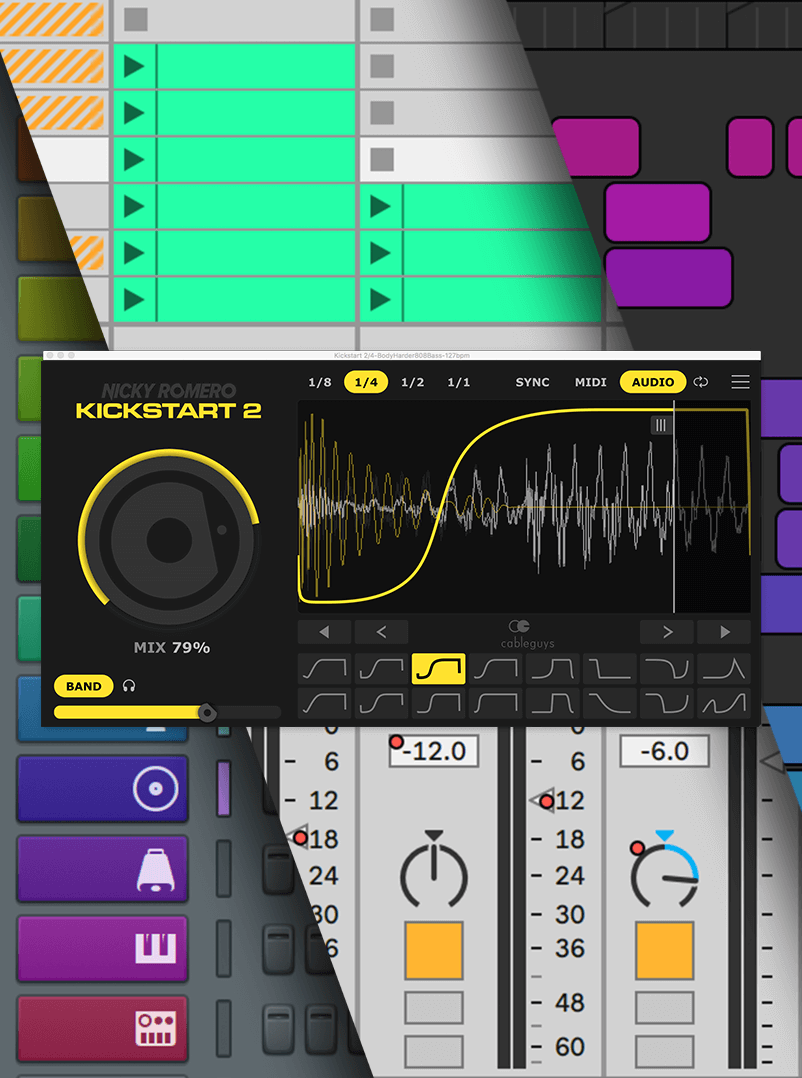
Add Kickstart – instantly get sidechain ducking, with no setup
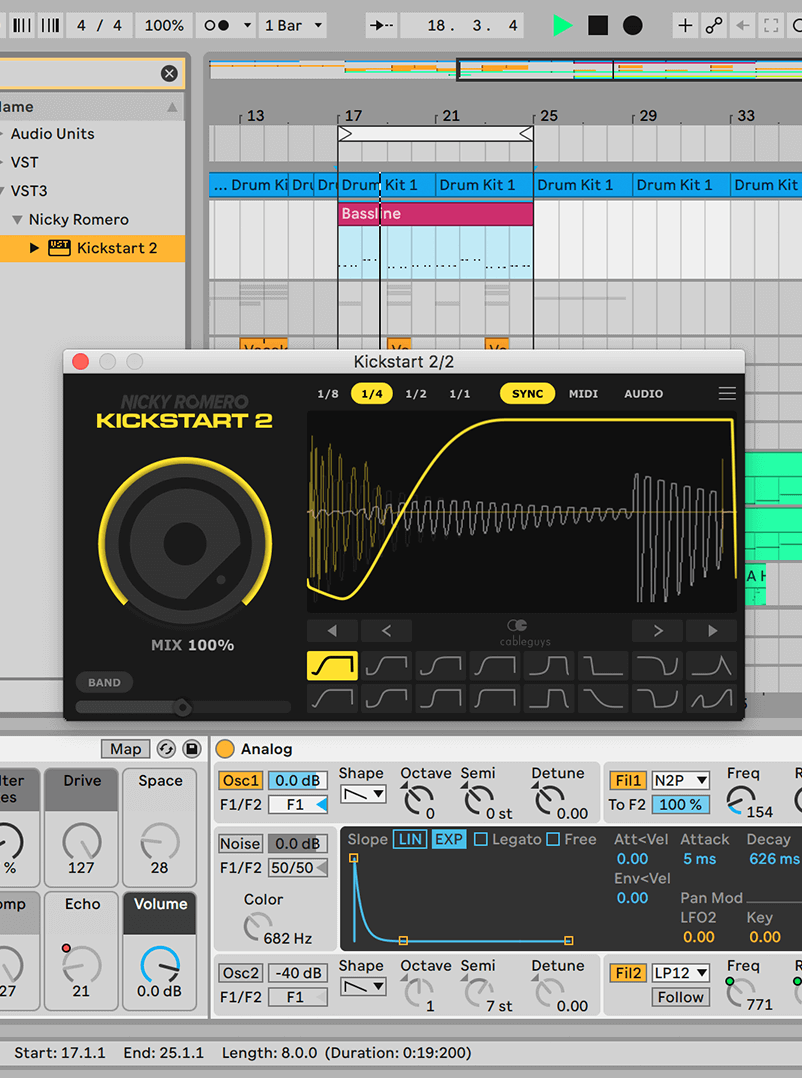
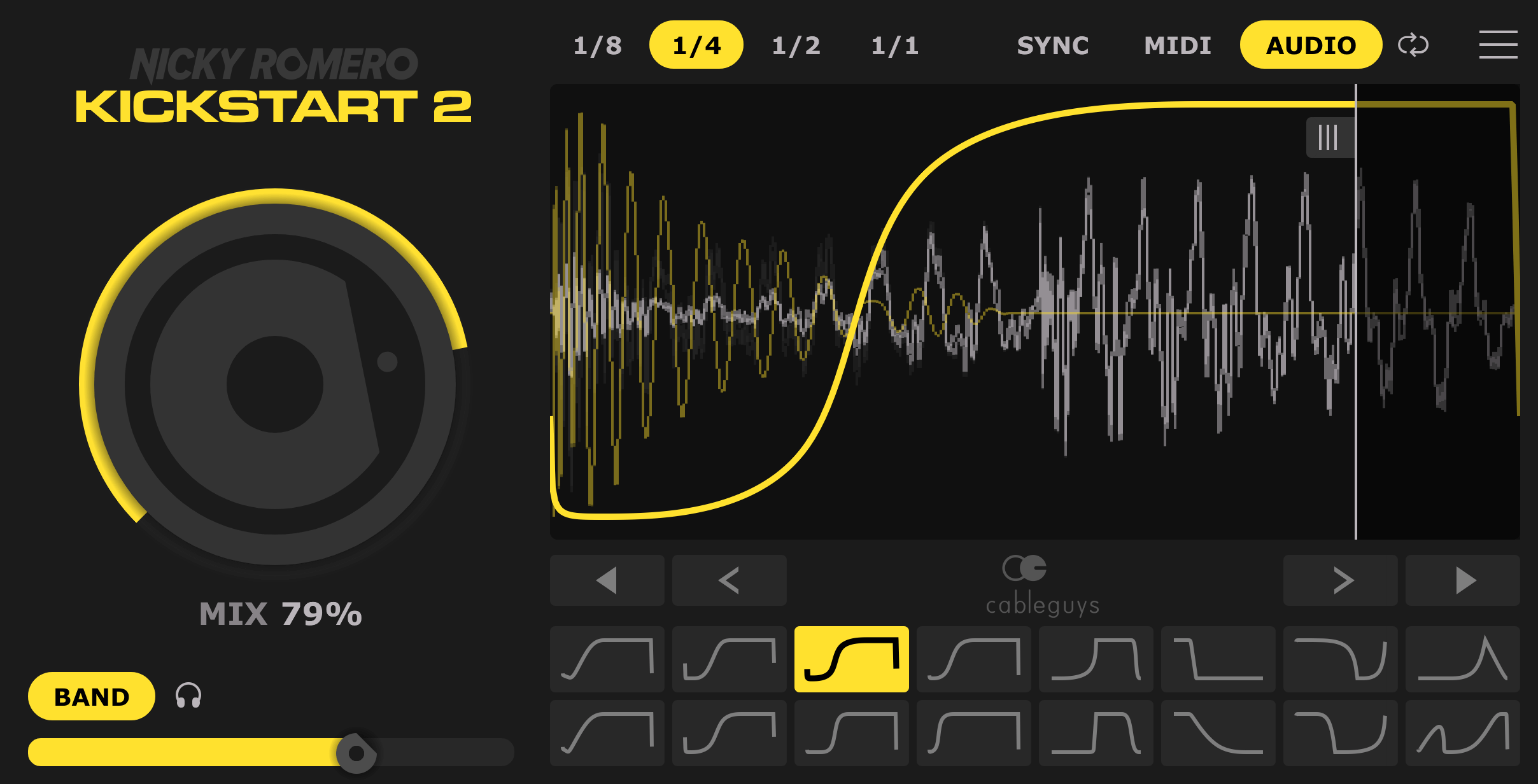
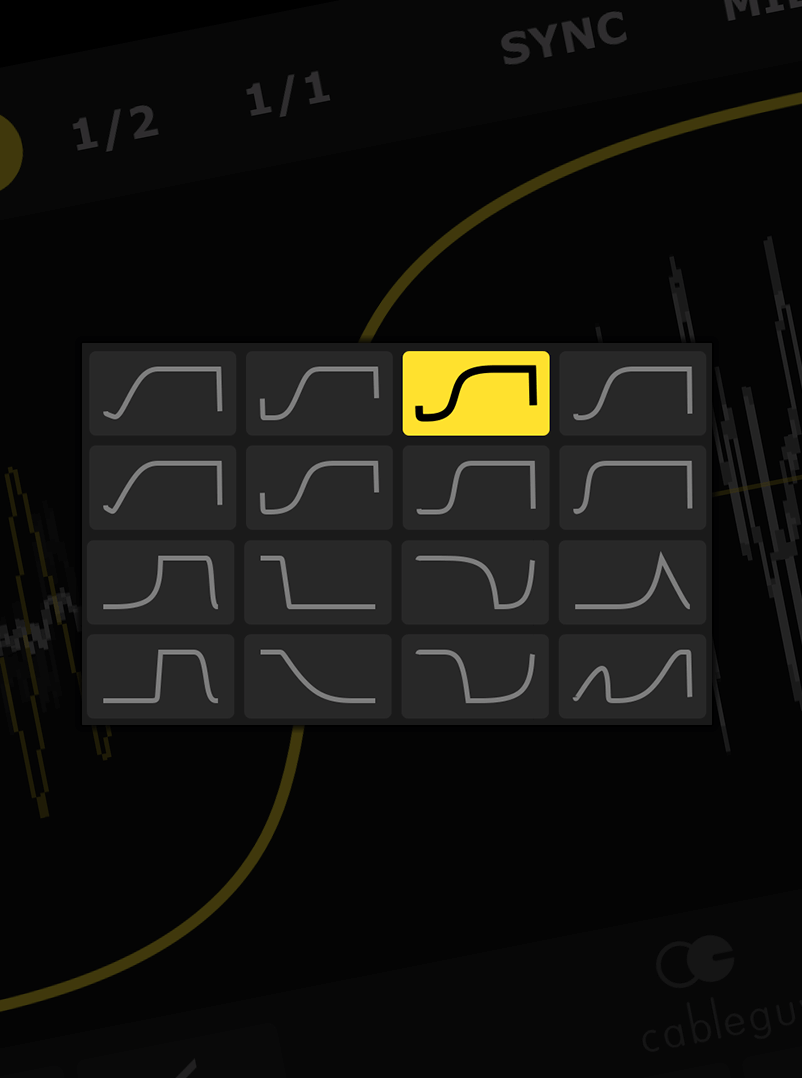
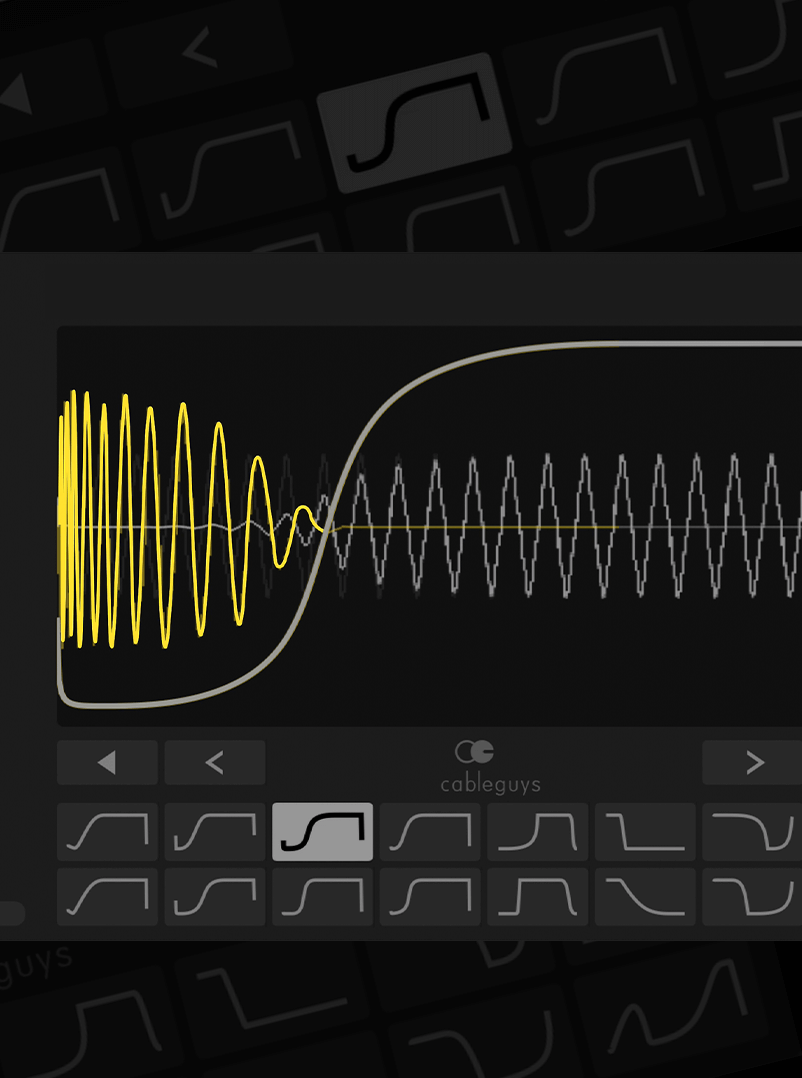
The exact curves Nicky Romero uses to get tracks sounding massive in the club
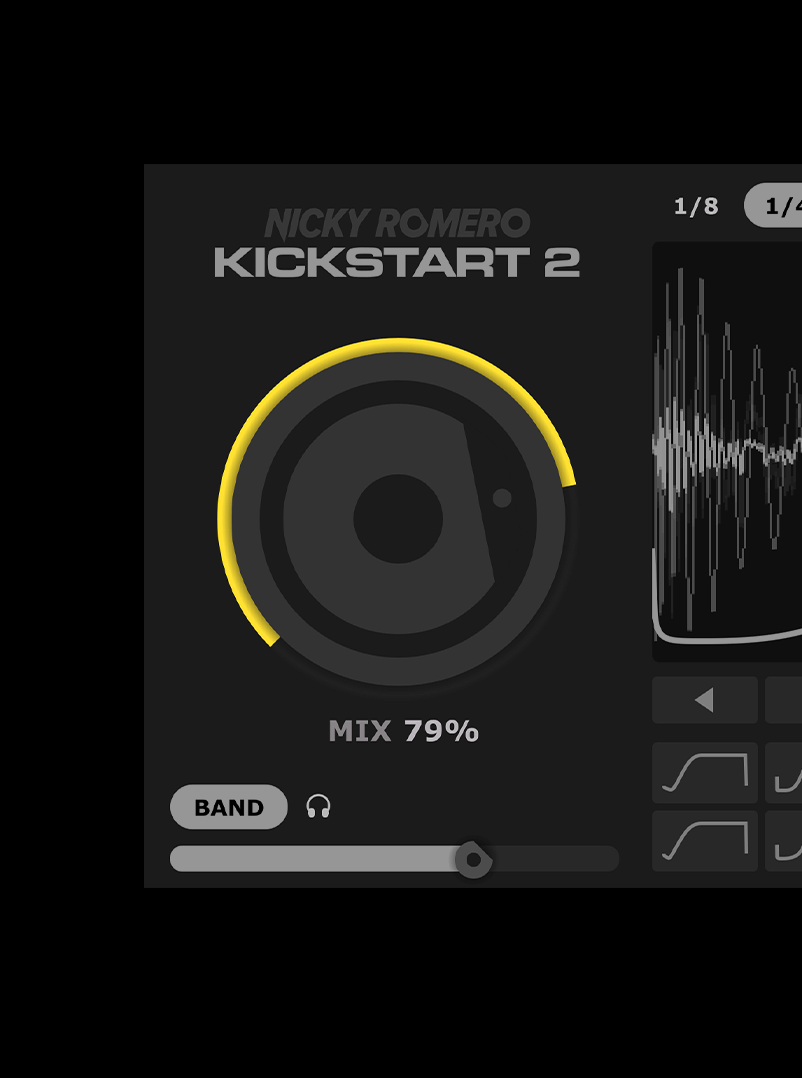
Easily adjust the strength of the sidechain effect to fit any mix
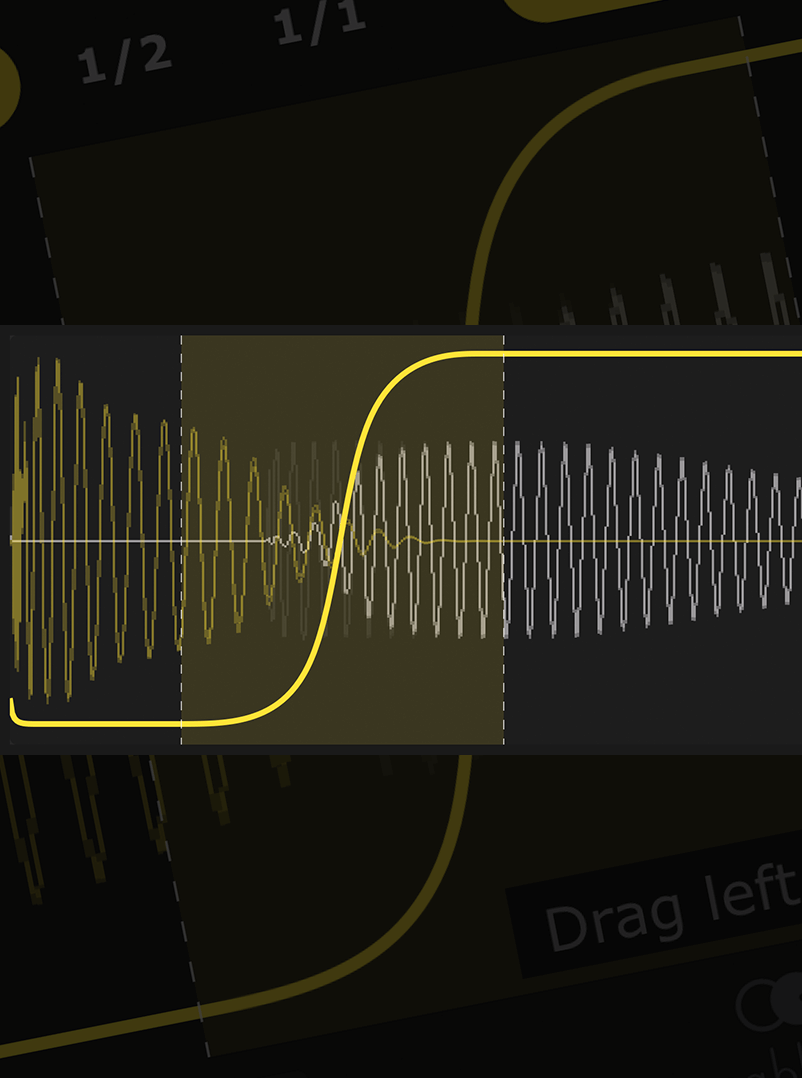
Forget complex editing tools – just drag the curve to fit any kick, long or short
Kick not 4/4? No problem – Kickstart follows any kick pattern with new Cableguys audio triggering
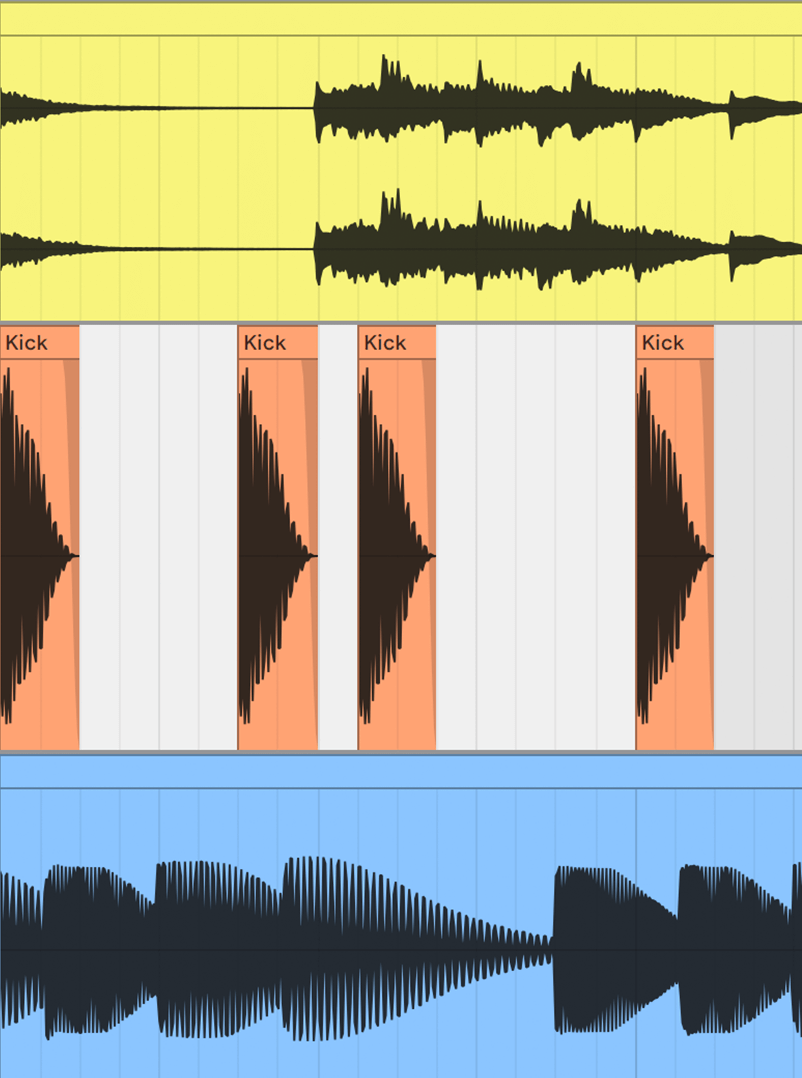
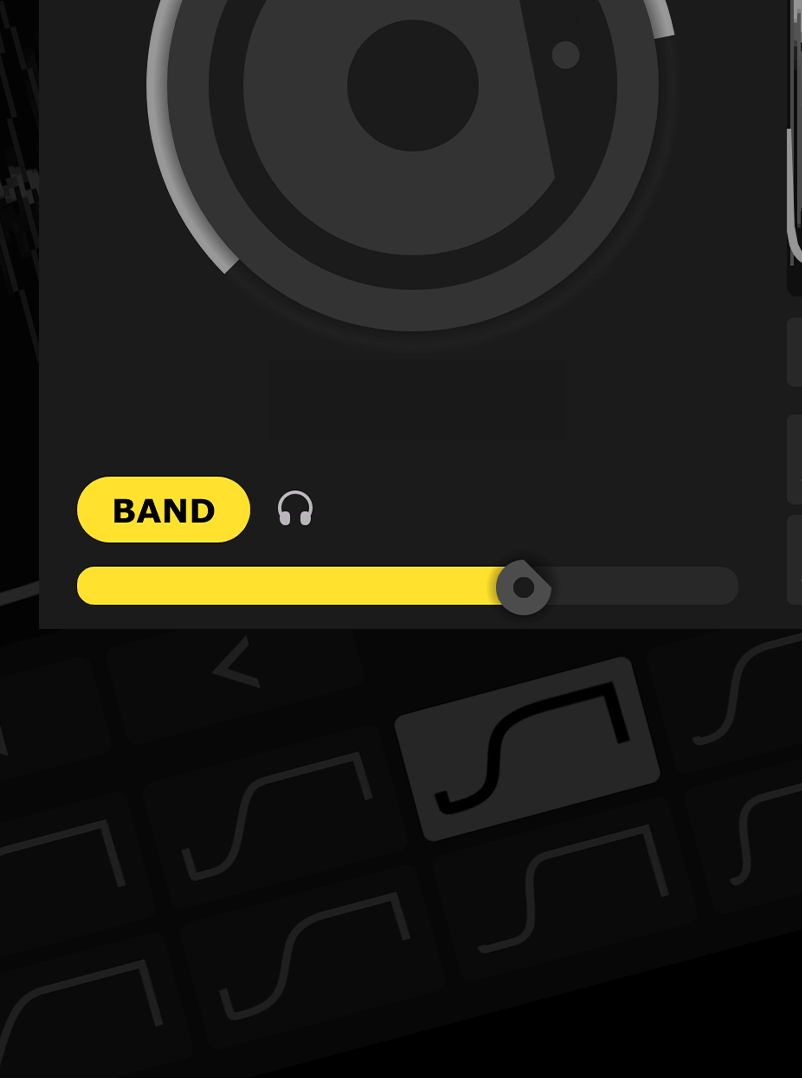
Easily duck only the lows of your bassline – the pros’ secret trick for tight bass with full frequencies
See kick and bass waveforms on the same display – get your lows locked tight like never before
In the modern era, few forces are as pervasive, influential, or rapidly evolving as entertainment content and popular media . From the binge-worthy series on streaming platforms to the viral dance challenges on TikTok, the way we consume stories, information, and art has fundamentally shifted. No longer passive viewers, we are now active participants in a global ecosystem that dictates fashion, language, politics, and even our collective memory.
Together, they form a feedback loop: Popular media distributes entertainment content, which in turn creates shared cultural touchstones (think Game of Thrones finales or the Barbenheimer phenomenon) that define a generation. To understand the present, one must look back. For most of the 20th century, entertainment content was a monologue. Hollywood studios, major record labels, and network television executives decided what the public would see, hear, or watch. Popular media was centralized—three major TV networks, a handful of radio stations, and the local movie theater. The Cable Disruption The 1980s and 90s introduced cable television, fragmenting the audience into niches (MTV for music, ESPN for sports, CNN for news). Suddenly, popular media began to reflect subcultures rather than a single mass audience. The Internet Singularity The true revolution began with Web 2.0. Platforms like YouTube (2005) and social media destroyed the gatekeepers. Anyone with a smartphone could produce entertainment content . The monologue became a dialogue, and soon, a cacophony. The Pillars of Today’s Entertainment Landscape The current ecosystem rests on several key sectors that are increasingly overlapping: 1. Streaming Wars and Peak TV We are in the era of "Peak TV," where hundreds of scripted series air annually across Netflix, Disney+, Amazon Prime, Apple TV+, and Max. Entertainment content has become a quantitative arms race. However, the focus is shifting from volume to "engagement quality"—how many minutes a user spends actually watching versus scrolling. 2. Short-Form Vertical Video (TikTokification) Perhaps the most disruptive force is short-form content. TikTok, Instagram Reels, and YouTube Shorts have rewired the human attention span. Here, popular media is hyper-personalized, algorithm-driven, and ephemeral. A 15-second dance or a 60-second cooking hack can generate billions of views, bypassing traditional advertising models entirely. 3. The Gamification of Everything Video games are no longer a subgenre of entertainment content ; they are the dominant force. With revenues exceeding movies and music combined, games like Fortnite and Roblox are social platforms. They host virtual concerts (Travis Scott drew 12 million live viewers) and movie premieres. The line between gaming and linear entertainment is dissolving. 4. Podcasts and the Revival of Audio In a screen-saturated world, audio entertainment is thriving. Podcasts offer deep-dive engagement. True crime, celebrity interviews, and daily news briefs allow consumers to multitask. Popular media has rediscovered intimacy through the human voice. The Algorithm is the New Editor The single most significant change in popular media is the shift from human curation to machine learning. Netflix doesn't ask what you want to watch; it suggests what you will watch based on your behavior. Spotify’s "Discover Weekly" feels psychic. xxxkorean
This article explores the anatomy of this giant industry, tracing its history, analyzing its current state, and predicting where it is headed as technology continues to blur the lines between creator, consumer, and content. Before diving into trends, it is crucial to define the scope. Entertainment content refers to any material designed to capture and hold an audience’s attention through pleasure, amusement, or emotional engagement. Popular media is the vehicle—the channels, platforms, and formats (television, film, social media, podcasts, video games) that dominate mainstream cultural consumption. In the modern era, few forces are as