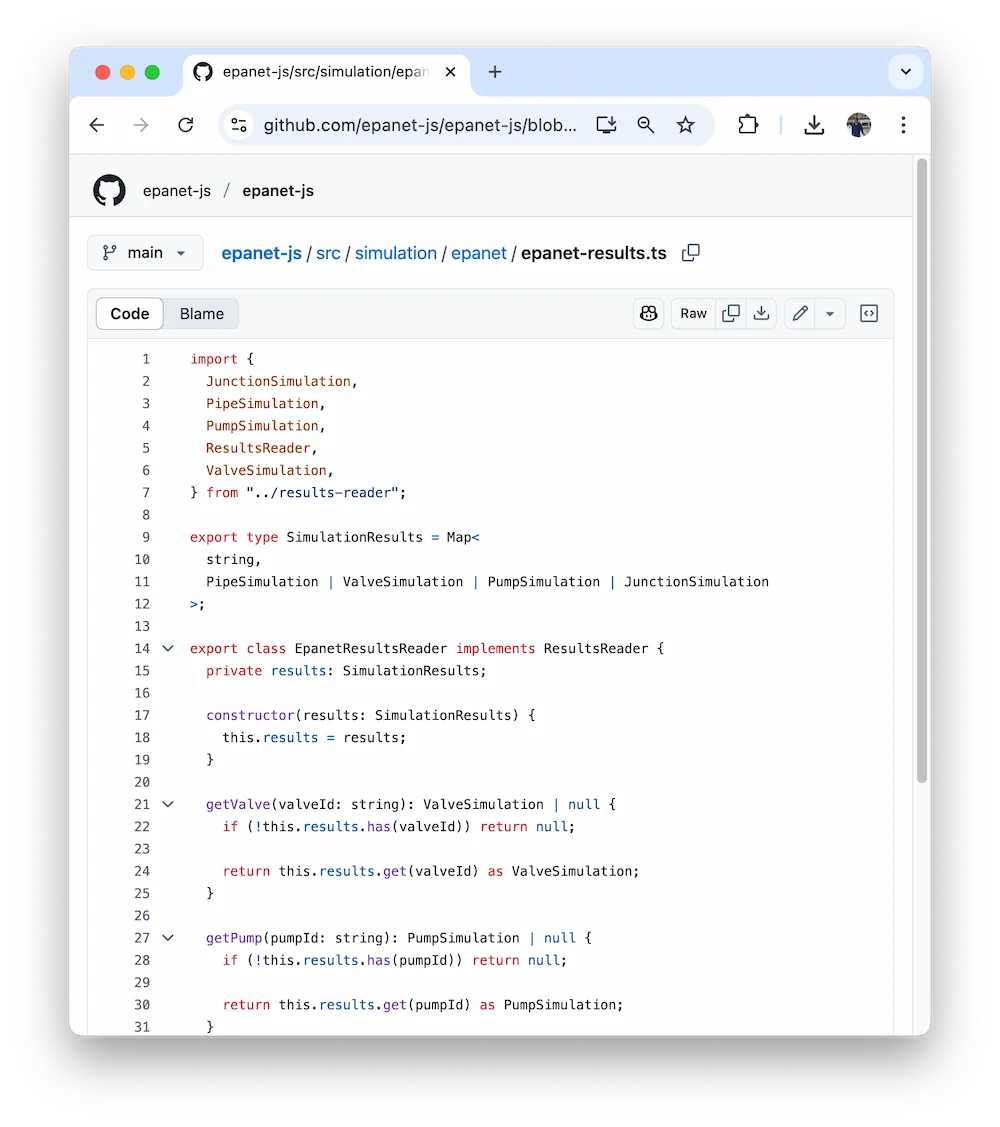
epanet-js
No installs. No forced cloud storage. Just fast, local-first water modeling — powered by the engine you already trust.
You shouldn't have to choose between speed, security, and affordability just to understand your water networks.


The next time you click "Play," remember: you are not just killing time. You are voting for the future of culture. entertainment content , popular media , streaming services , social algorithms , user-generated content , franchise fatigue , creator economy , algorithmic curation , synthetic media , media literacy.
In the span of a single generation, the phrase “entertainment content and popular media” has transformed from a niche academic label into the gravitational center of global culture. What was once a passive diversion—an afternoon movie, a weekly comic strip, a radio serial—has evolved into a pervasive, interactive, and endlessly customizable ecosystem. Today, the average person consumes over seven hours of media daily, a staggering statistic that reveals a fundamental truth: entertainment is no longer just what we do in our spare time; it is the primary lens through which we interpret reality. xnxxxx video new
This article explores the history, psychology, economics, and future of entertainment content and popular media, examining how franchises like Marvel, platforms like TikTok, and phenomena like "Bridgerton" or "Squid Game" are shaping everything from political discourse to personal identity. To understand where we are, we must first acknowledge how far we have come. Entertainment content has always existed—ancient epics like The Odyssey were the blockbuster hits of their day, passed down through oral tradition. However, the birth of popular media began with the printing press, which democratized stories. By the 19th century, penny dreadfuls and serialized novels (think Dickens) created the first mass audiences. The next time you click "Play," remember: you
As we enter the era of AI-generated narratives and algorithmically curated identities, the power of media has never greater. It can divide us into warring tribes of fandom, or it can build bridges of shared empathy. The remote control is in our hands—but more critically, the responsibility is in our minds. In the span of a single generation, the
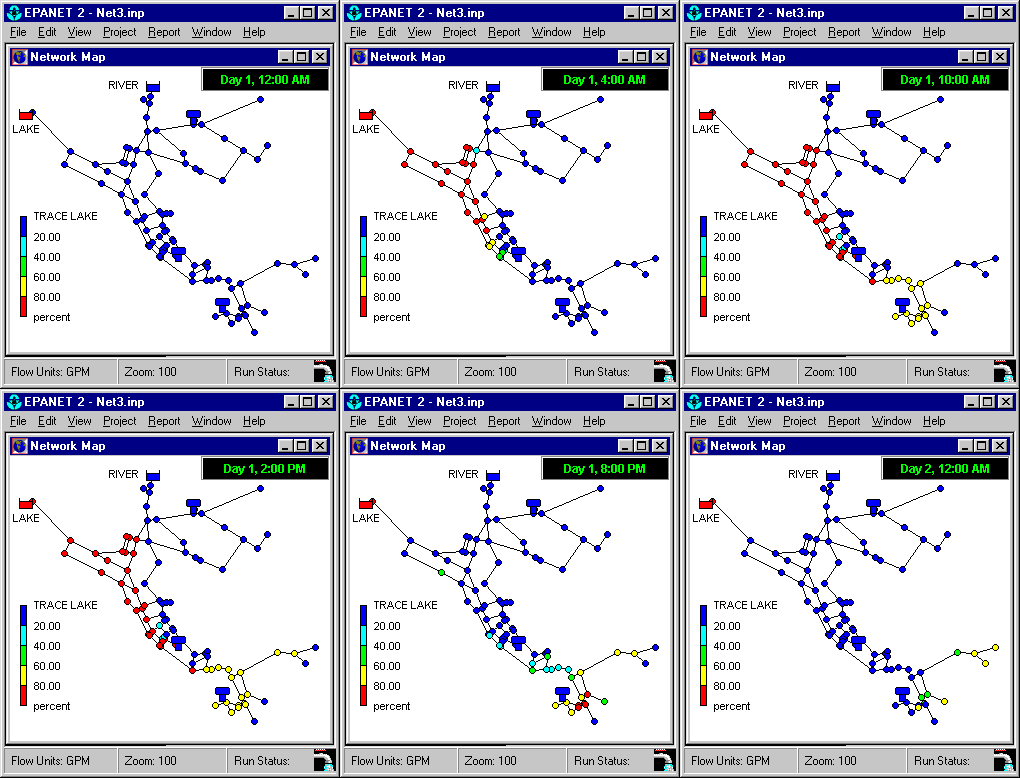
EPANET was a gift to the industry — free, open-source water modeling for all. But commercial vendors built on it, locked away improvements, and left the community behind.
epanet-js is our answer: a faster, simpler, affordable water modeling tool that protects your privacy and sustains the open-source future of water modeling.
We're proud to be part of the next chapter — and we're just getting started.

When you purchase more features in epanet-js, you're investing in the future of open-source EPANET development.
Our open-source model balances innovation and accessibility:
Anyone can build on our code. The two-year commercial-use delay gives us the incentive to keep pushing forward — and that fuels progress for everyone.
That means when you support us, you support more affordable hydraulic modeling software for the entire community.
Choose the plan that works for you
Individual named license
Floating shared license
Have questions? or book a call.
Available for non-commercial projects, learning, and student work.
For curious minds and personal growth.
Free for students and teachers.
Find answers to common questions about epanet-js.
You may not know this, but for decades, the U.S. EPA has given the water industry an extraordinary gift: the free and open-source hydraulic modeling software EPANET. Odds are, if you've used any commercial hydraulic modeling software today, it was built on the EPANET engine.
The problem is, instead of giving back to their open-source roots like other industries do, big-name software vendors took EPANET's open code, built private tools on top of the engine, and then locked those improvements behind patents and proprietary licenses.
Some vendors even pressured the EPA to focus only on the engine — discouraging any effort to improve the interface or user experience for everyone else.
Those vendors now charge you exorbitant prices to use their software while EPANET lags behind — and utilities, engineers, and educators with smaller budgets suffer.
We think this is backwards — and we're on a mission to change it. We're focused on creating a better experience for the entire hydraulic modeling community.
That's why we built epanet-js under an FSL license — because we want to give you an affordable, easy-to-use water modeling option that creates a sustainable future for open-source EPANET development.
Support EPANET by using software that supports it back.
Simple, quick, and useful right out of the gate — designed to open-and-go.
Launch epanet-js now