Tamil Aunty Only In Desi Wap -

ООО "ЛТ- Запчасти"  г.Людиново 

ИНН 4024016180

Tamil Aunty Only In Desi Wap - Tamil Aunty Only In Desi Wap -  
ЗАПАСНЫЕ ЧАСТИ:

India is not a monolith; it is a subcontinent of 28 states, 22 official languages, and hundreds of dialects. Consequently, the life of a woman in the bustling tech hub of Bangalore is radically different from her counterpart in the traditional lanes of Varanasi or the matrilineal societies of Meghalaya. To understand the Indian woman, one must walk the tightrope between ancient sanskars (values) and 21st-century ambition. The Household as the First Kingdom Historically, and still predominantly, the cornerstone of an Indian woman’s lifestyle is the ghar (home). The culture elevates the woman as the Grihalakshmi (goddess of the home)—the anchor of family unity. From waking before sunrise to draw rangoli (colored floor art) at the threshold, to maintaining the puja (prayer) room, her day is structured around ritualistic chores. Meal preparation is not mere cooking; it is an act of health and love, often tailored to the seasonal Ayurvedic needs of each family member. The Saree and the Sindoor: Identity Markers Clothing is a language. While urban offices have embraced the pant-suit, the cultural heartbeat remains tied to the six yards of the saree and the comfort of the salwar kameez . For married women, specific markers—the mangalsutra (sacred necklace), sindoor (vermilion in the hair parting), and toe rings—are not just jewelry; they are social contracts. However, the interpretation is shifting. Today, many married women wear these symbols with pride as a cultural aesthetic, while others reject them as patriarchal markers. The choice is becoming a personal dialogue rather than a societal demand. Festivals: The Social Glue Indian womanhood is celebrated through festivals like Karva Chauth (fasting for a husband’s longevity), Teej , and Gauri Puja . These events function as a lifeline for social bonding. During these times, women gather, apply mehendi (henna), swap recipes, and share domestic burdens. Despite feminist debates on the nature of fasting rituals, many urban women view these traditions as cultural heritage and a legitimate excuse for community gathering, rather than oppression. Part II: The Silent Revolution – Education and Workforce Breaking the Glass Ceiling (Slowly) The past three decades have witnessed a tectonic shift. Indian women are no longer just teachers and nurses; they are fighter pilots (Avani Chaturvedi), space scientists (Ritu Karidhal), and startup unicorn founders (Falguni Nayar). However, the statistics tell a complicated story. While enrollment in higher education has reached parity with men, the workforce participation rate for women has seen a decline, hovering around 25-30%. The reason is not a lack of degrees, but a lack of support systems. The Double Shift Even in dual-income households, the "double burden" is stark. Research shows that Indian women spend nearly 300 minutes a day on unpaid care work—five times more than men. Her lifestyle is a relentless negotiation: attending a 9 AM Zoom meeting while supervising the cook, finishing a quarterly report while helping children with homework, and taking a leave of absence to care for ailing in-laws. The culture respects the superwoman , but rarely provides the infrastructure (crèches, flexible paternity leave, social acceptance of male domestic work) to sustain her. Part III: Digital Vices & Virtual Virtues The Smartphone as a Liberator The most significant shift in the lifestyle of the modern Indian woman is the smartphone. For rural women, access to the internet has bypassed traditional gatekeepers (husband, father, brother). Women are now learning tailoring via YouTube, managing bank accounts via UPI, and accessing helplines for domestic abuse without physically visiting a police station. The "Mobile Women" of Uttar Pradesh and Bihar are redefining rural culture. Social Media and the Body Positivity Movement Historically, Indian culture placed immense pressure on women regarding complexion (fairness) and body shape (the "dumb-bell" figure). Instagram and homegrown apps are now seeing a surge of creators challenging this. The #NoFilterIndian and #LazyGirlHair trends are small rebellions against the tyranny of perfection. Women are publicly discussing menstrual health—a topic previously relegated to whispers—and seeking therapy, breaking the stigma that mental health is a "Western problem." Part IV: The Matrilineal Exceptions To speak of "Indian" culture is to risk generalization. In the Khasi and Garo tribes of Meghalaya, the youngest daughter inherits all property, and children take the mother’s surname. In Kerala’s Nair community (traditionally), the tharavad (ancestral home) was run by the senior woman. In these pockets, the lifestyle is not defined by protectionism but by custodianship. The Indian woman here walks taller, not because she is immune to patriarchy, but because her economic backing is codified by tradition. Part V: The Emerging Realities Later Marriages and "Live-in" Relationships The average age of marriage for urban Indian women has risen from 18 to the late 20s. The concept of swayamvar (self-choice marriage) is now the norm, facilitated by dating apps like TrulyMadly and Aisle. Furthermore, while legally ambiguous, live-in relationships are growing in metros—a lifestyle choice that allows women to test compatibility without the religious and legal complexities of Hindu Marriage Act. Solo Travel and the Redefinition of Safety A decade ago, a woman traveling alone to a remote village was scandalous. Today, the "Solo Female Traveler" is a celebrated subculture in India. Blogs like "Shivya Nath" and communities like "Wander Womaniya" have normalized the idea that adventure is not masculine. While safety remains a genuine concern (the Nirbhaya effect led to stricter laws but not an end to street harassment), the attitude is shifting from "Is it safe?" to "How do we make it safe?" Part VI: The Unfinished Symphony Despite progress, the Indian woman lives in duality. She is a CEO who performs Kanyadaan (the ritual of giving away the daughter, historically a transfer of guardianship) at her own wedding with a twist: she holds her father’s hand, refusing to be "given" as property. She is a rural farmer who cannot own the land she tills due to inheritance laws. She is a college student who codes AI algorithms by day and hides Instagram notifications from her conservative parents at night.

The lifestyle of the Indian woman is not one story, but a million intersecting narratives. It is a culture of resilience—where beauty is found in the negotiation. She respects the sanskars of her grandmother while deleting the Aadhaar card of her abusive husband. She prays to Durga on Friday and climbs the corporate ladder on Monday.

In the global imagination, the Indian woman is often depicted through a single, static lens: the saffron robe of a sadhvi, the shimmering silk of a bride, or the starched cotton saree of a rural farmer. While these images are authentic fragments of reality, they fail to capture the immense complexity, contradiction, and vibrant evolution that defines the lifestyle and culture of Indian women today.

To write a definitive conclusion on the Indian woman’s lifestyle is impossible because she is in constant motion. She is unshackling herself from the "ideal woman" stereotype (docile, sacrificing, silent) and forging an identity that is authentic, messy, and powerful. The culture is no longer something she inherits; it is something she creates every morning. Whether she is cooking chai on a chulha (stove) or swiping right on a dating app, one thing is certain: the Indian woman is rewriting her own destiny, one bold choice at a time. This article reflects the general cultural trends observed across urban and semi-urban India. Regional, caste, and economic variations will produce vastly different lived experiences.

ВАЛЫ КАРДАННЫЕ
КРЕСТОВИНЫ
РЕДУКТОРА
ТУРБОКОМПРЕССОРА
ЭЛЕКТРОДВИГАТЕЛИ
ДЫМОХОДЫ, МОНТАЖ
Статистика

Онлайн всего: 1
Гостей: 1
Пользователей: 0

Яндекс.Метрика

Форма входа
ПОДЕЛИТЬСЯ
Главная » Статьи » Мои статьи

ТЕХНИЧЕСКАЯ ХАРАКТЕРИСТИКА ДИЗЕЛЯ 6ЧН21/21

На тепловозах ТГМ4, а также на тепловозах ТГМ4А и ТГМ14 устанавливают дизель типа Д211 ( обозначение по ГОСТу - 6ЧН 21/21) марки 211Д-2 или 211Д-3, эти дизеля имеют некоторые отличия, но информацию приведенную в этом разделе можно обобщить для обоих дизелей.

В названии двигателя 6ЧН 21/21:

6 - общее число цилиндров;
Ч - четырехтактный;
Н - с наддувом;
21 - диаметр цилиндра 210 мм;
21 - ход поршня 210 мм.


Характеристика двигателя:

Порядок работы цилиндров --- 1-5-3-6-2-4;
Степень сжатиЯ --- 13,5+0,5;
Объем цилиндров, общий --- 43,6 дм3;
Направление вращение коленвала --- левое;
Полная мощность двигателя --- 552 кВт или 750 л.с.;
Номинальные обороты коленчатого вала при полной мощности --- 1400 об/мин;
Частота вращения коленвала на холостом ходу при минимальных оборотах --- 600 об/мин;
Система запуска --- электростартером ЭС-2;
Управление частотой вращения коленвала --- дистанционное посредством восьмипозиционного привода;


Фазы газораспределения:

Впускные клапана-открытие ------------------ 71+5 угла поворота кривошипа до ВМТ;
Впускные клапана-закрытие ------------------ 38+5 угла поворота кривошипа после НМТ;
Выпускные клапана-открытие ---------------- 62+5 угла поворота кривошипа до НМТ;
Выпускные клапана-закрытие ---------------- 61+5 угла поворота кривошипа после ВМТ.


Габаритные размеры, мм:

Длина --------------- 2750;
Ширина ------------ 1130;
Высота ------------ 1910.

Ресурсы работы:


Ресурс непрерывной работы --- 700 часов;
Ресурс до переборки ---- 14000 часов;
Ресурс до капитального ремонта --- 40000 часов;
Наработка до замены масла (при использовании масла М14ВЦ) --- 1500 часов;
Ресурс деталей цилиндро-поршневой группы (поршней, цилиндровых втулок) - 40000 часов.

Данные о массе деталей дизеля:

Двигатель с маховиком, без эксплуатационных материалов --- 4800 кг;
Количество масла в двигателе  ---  160 кг;
Количество воды в двигателе --- 80 кг;
Остов двигателя, в сборе --- 2104 кг;
Втулка цилиндра(гильза) --- 32 кг;
Коленчатый вал, в сборе --- 776 кг;
Блок-картер с коленчатым валом --- 2470 кг;
Поршень, в сборе --- 18 кг;
Шатун, в сборе --- 31 кг;
Крышка цилиндра, в сборе --- 71 кг;
Распределительный вал, в сборе --- 54 кг;
ТНВД --- 75,67 кг;
Регулятор скорости(РЧО) ---  16 кг;
Водяной насос охлаждения дизеля ---13 кг;
Водяной насос охлаждения наддувочного воздуха --- 8 кг;
Главный масляный  --- 22 кг;
Турбокомпрессор --- 75 кг;
Демпфер крутильных колебаний --- 156 кг;
Маховик --- 77 кг;
Стартер --- 65 кг.

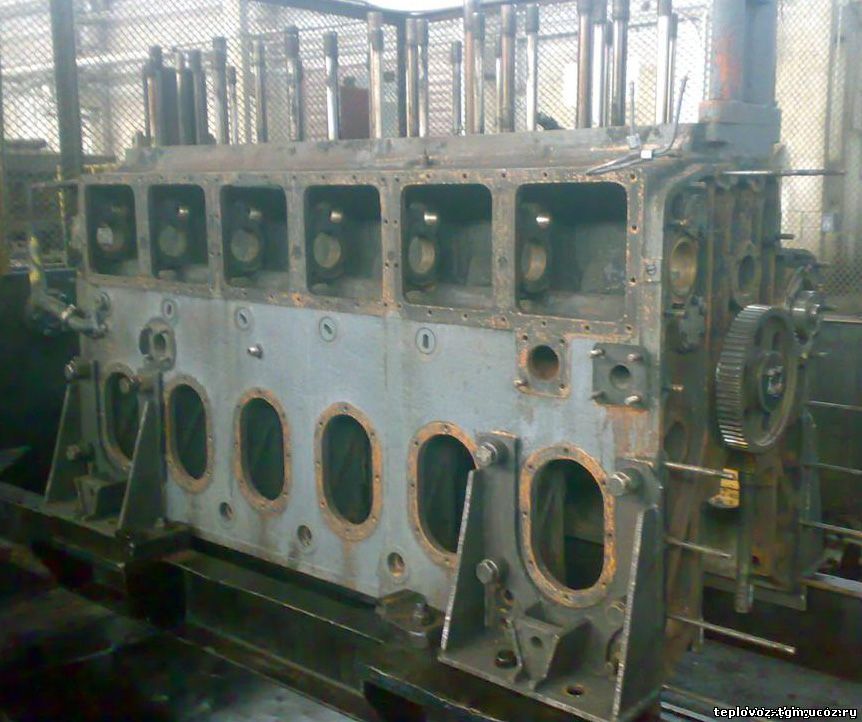
Блок-картер
Tamil Aunty Only In Desi Wap -

 Блок-картер дизеля состоит из отлитой в целом отливки. Поперечные перегородки подразделяют блок-картер на шесть отсеков. Каждый отсек разделяется горизонтальными перегородками на полости: полость картера, распределительного вала и полость охлаждения втулок цилиндров. В нижней части поперечные перегородки остова двигателя имеют U-образные выточки, в которых располагаются подвески коренных подшипников. В боковых стенках блок-картера находятся люки для монтажа и контролирования шатунов. Люки блок-картера закрываются крышками картерных люков. С каждой стороны в одной из крышек картерных люков установлена горловина для залива масла. Крышки картерных люков блок-картера выполнены с обеих сторон со взрывозащитними клапанами. Клапаны должны выполнять следующую задачу: снижать избыточное давление в картере при возможном возникновении в нем взрывов газа. Взрывозащитний клапан состоит из тарелки, прижимаемой пружиной к рабочей фаске. Пружина упирается в экранирующий колпак, отклоняющий вытекающие газы взрыва. Внутри блок-картера по всей его длине в нижней части полости распределительного вала выполнена масляная магистраль в виде канала из стальной трубы, залитой в блок-картер. От масляной магистрали идут высверленные каналы к подшипникам коленчатого вала, к подшипникам распределительного вала и к осям рокеров.


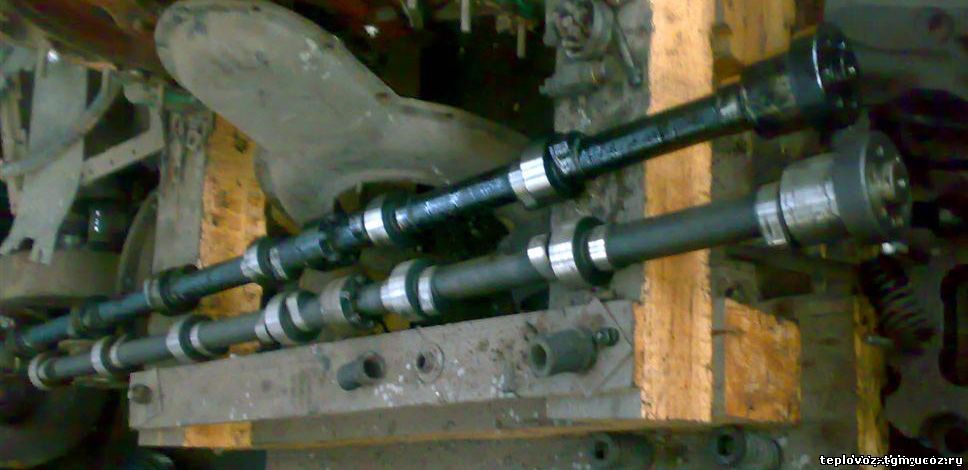
Распределительный вал дизеля 6ЧН 21/21


Tamil Aunty Only In Desi Wap -

Распределительный вал состоит из двух частей: части 1 для привода клапанных механизмов цилиндров 1,2,3 и части 2 - цилиндров 4,5,6. При сборке оба вала центрируются буртом одной из них в другой и соединяются призонными болтами. Гайки болтов шплинтуются. Распределительный вал вращается в семи бронзовых подшипниках. Бурты крайних подшипников служат в качестве опоры против продольного смещения вала. Осевой зазор вала регулируется толщиной компенсационной шайбы, размещающейся между торцом вала и шестерней. Приводная шестерня с внутренними зубьями прикреплена к распределительному валу болтами, которые стопорятся проволокой. На конце вала с насосной стороны двигателя закреплены болтами шестерня для привода распределительного вала и шестерня для привода реле частоты вращения дизеля. Шестерня привода распределительного вала устанавливается по определенному углу оси выпускного кулачка 1-го цилиндра относительно оси, проходящей через отверстия для штифта и правое клеймо на зубе шестерни. Болты крепления шестерен стопорятся проволокой. Между опорными точками распределительного вала размещаются соответственно два кулачка, причем тот из них, который располагается наиболее ближе к концу вала на насосной стороне дизеля, на каждом цилиндровом участки является выпускным кулачком, другие - впускными кулачками. Кулачки для впуска и выпуска размещаются на валу в соответствии с порядком работы цилиндров дизеля и с фазами газораспределения. Правильное геометрическое положение кулачков фаз газораспределения достигается при сборке, когда калибровочные отверстия. обозначенные выбитым клеймом А, совпадают. Опорные шейки вала и кулачки цементируются и закаливаются.

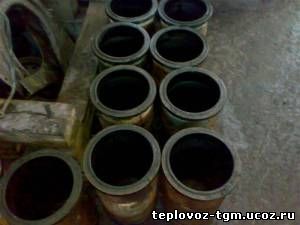
Втулка цилиндра(гильза)
Tamil Aunty Only In Desi Wap -

Втулка цилиндра отлита из легированного серого чугуна и вмонтирована в отверстия блок-картера. Между цилиндровой крышкой и втулкой цилиндра есть уплотнение в виде медной прокладки. Нижний пояс втулки цилиндра уплотняется резиновыми кольцами круглого сечения. За исключением первого цилиндра, там между второй и третьей канавками находится обезвоживающий канал.

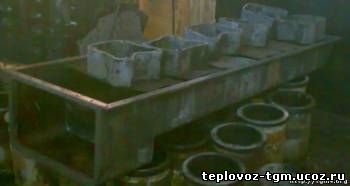
Поддон
Tamil Aunty Only In Desi Wap -


Поддон служит в качестве резервуара для масла. Его конструкция сварная. Верхний край поддона изготовлен как фланец, который крепится к блок-картеру. В поддоне есть 6 перегородок для разделения его на 6 отсеков, сообщаемых между собой. 6 сеток в поддоне предотвращают вспенивание масла при работе дизеля. С переднего торца двигателя поддон закрывается крышкой. Она позволяет провести демонтаж и осмотр главного масляного насоса, а также очистку поддона без его снятия. В боковой стенке предусматриваются два резьбовых штуцера для присоединения датчиков и приемников приборов автоматики. Кроме того, справа стороны к поддону крепится всасывающий патрубок для приема маслопрокачивающего агрегата. Трубопровод для слива масла закрепляется фланцем к днищу поддона.

Механизм газораспределения

Механизм газораспределения приводит в действие впускные и выпускные клапана. Ось рокеров выполнена из двух частей. Она монтируется в расточке блок-картера. Смазка осуществляется от главной масляной магистрали. Для этой цели ось рокеров пустотелая и снабжена отверстиями. Кроме того имеются отверстия для прохода масла через рокеры и штанги на смазку клапанных механизмов крышек цилиндров. Оба конца оси рокеров с резьбовыми отверстиями для облегчения демонтажа. Для пресечения продольного перемещения ось рокеров фиксируется на обоих концах крышками с уплотнениями.
Для каждого цилиндра предусматривается по два рокера, которые монтируются на втулках с буртами. Общий зазор между рокером и втулкой устанавливается подбором соответствующих шайб, причем достигается, чтобы ролики рокеров всей длинной опирались на кулачки распределительного вала. Ролики опираются на пальцах с плавающими втулками. Пальцы запрессовываются в рокер и фиксируются штифтами от возможного продольного смещения.

 При вращении распределительного вала кулачок перемещается по ролику и передвигает рокер. При этом штанга передает движение на коромысло и через траверсу открываются клапана. Возвратное движение клапанов и всего привода газораспределения осуществляется под воздействием клапанных пружин, которые таким образом воздействуют на весь механизм газораспределения и предотвращают приподнятие роликов рокера с кулачков распредвала. Масло, поступающие в рокер, распределяется по каналам на смазку ролика и через внутреннюю полость штанги на смазку привода клапанного механизма цилиндровой крышки. Необходимые фазы газораспределения устанавливаются совмещением меток на шестерне привода распредвала с меткой на люке передней крышке дизеля, при этом коленчатый вал устанавливается в ВМТ 1 и 6 цилиндров.

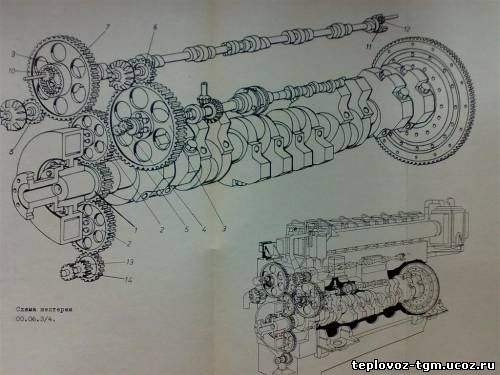
Схема расположения шестерен и валов
Tamil Aunty Only In Desi Wap -

1.Шестерня на коленвале;
2.Паразитная шестерня;
3.Шестерня привода ТНВД;
4.Ведущая шестерня топливоподкачивающего насоса;
5.Ведомая шестерня топливоподкачивающего насоса;
6.Шестерня привода насоса охлаждения наддувочного воздуха;
7.Шестерня привода распределительного вала;
8.Шестерня привода насоса охлаждения дизеля;
9.Шестерня отбора мощности с насосной стороны;
10.Вал привода реле частоты вращения;
11.Шестерня отбора мощности с маховиковой стороны;
12.Вал-шестерня привода тахометра;
13.Шестерня привода главного масляного насоса;
14.Ведущая шестерня главного масляного насоса.


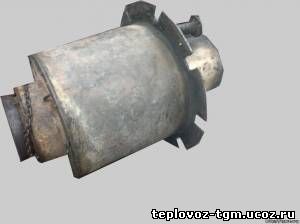
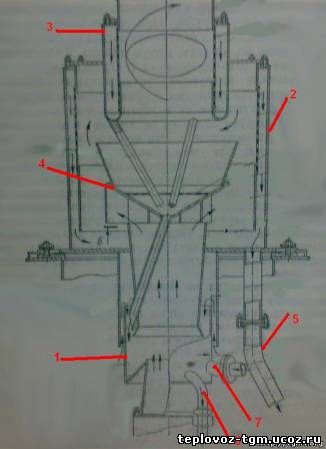
"Горшок" и глушитель
Tamil Aunty Only In Desi Wap -

1."Горшок";
2. Глушитель;
3."Малый" цилиндр глушителя;
4.Завихритель;
5."Малая" дренажная труба;
6."Большая" дренажная труба;
7.Труба эжекторной системы.

Горшок крепится гайками к верхнему фланцу турбокомпрессора. Его можно условно разделить на две части: цилиндрическую и конусную. Обе эти части образуют канавку для сбора жидкость(например, масла и(или) несгоревшего топлива).
К цилиндрической части крепится: Труба("малая" дренажная) для жидкости, которая скапливается в канавке внутри горшка;
Фланец трубы эжекторной системы.
Также на цилиндрической части предусмотрена контрольная пробка. Если ее открутить и потечет жидкость, то это говорит о том, что забита "малая" дренажная труба.
Выхлопные газы, пройдя горшок, попадают в глушитель, причем механическое соединение между этими частями отсутствует.
Tamil Aunty Only In Desi Wap -Tamil Aunty Only In Desi Wap -

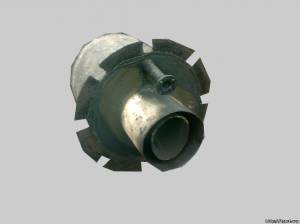
Глушитель по внешней форме представляет собой огромный цилиндр, крепящийся к одному из элементов крыши. В этом цилиндре размещен завихритель (в народе именуемый тарелкой), имеющий лопасти в нижней части и служащий для завихрения выхлопных газов. при этом жидкие частицы попадают на дно этого цилиндра, а затем сливается через "большую" дренажную трубу. Еще один процесс улавливания жидкости происходит также в верхней части глушителя, в которую вмонтирован небольшой цилиндр с решетками, на которых остается масло. С этих решеток масло по небольшим трубкам стекает в верхнюю часть заверителя, где находится отверстие с трубой, ведущей к горшку, куда и сливается масло.

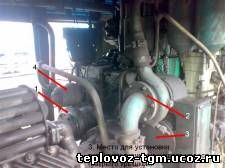
На переднем торце дизеля расположены:
Tamil Aunty Only In Desi Wap -Tamil Aunty Only In Desi Wap -Tamil Aunty Only In Desi Wap -

1.Насос охлаждения дизеля;
2.Насос охлаждения наддувочного воздуха;
3.Топливоподкачивающий нанос;
4.Реле частоты вращения;
5.Редукционный клапан.

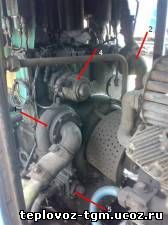
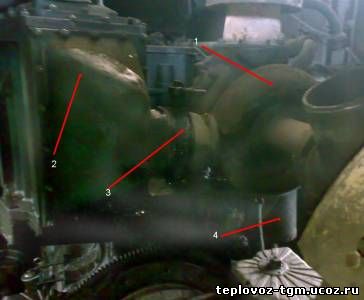
 С противоположного торца двигателя имеется:
Tamil Aunty Only In Desi Wap -

1.Турбокомпрессор ТК-18;
2.Холодильник наддувочного воздуха;
3.АСУ(аварийное стоп-устройство);
4.Маслоохладитель (на фото выше изображен маслоотделитель цилиндрической формы дизеля 211-Д2).

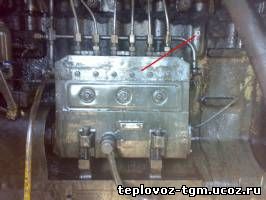
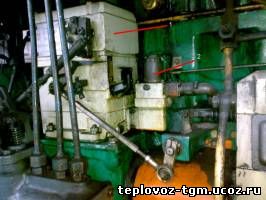
На левой стороне дизеля установлены:
Tamil Aunty Only In Desi Wap -


Tamil Aunty Only In Desi Wap -


Tamil Aunty Only In Desi Wap -


1. РЧО(Регулятор частоты оборотов);

2. Стоп-устройство(или блок-магнит);

3. ТНВД;

4. Впускной коллектор;

5. Электростартер

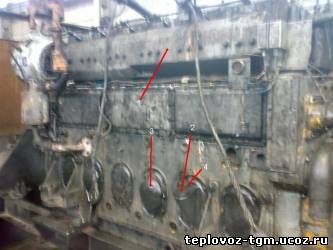
Вид справа:
Tamil Aunty Only In Desi Wap -

1.Выпускной коллектор;
2.Смотровой лючок;
3.Горловина для залива масла;
4.Щуп.


Категория: Мои статьи | Добавил: Evgen (10.05.2014)
Просмотров: 65302 | Рейтинг: 3.1/11
Всего комментариев: 0

Wap - - Tamil Aunty Only In Desi

India is not a monolith; it is a subcontinent of 28 states, 22 official languages, and hundreds of dialects. Consequently, the life of a woman in the bustling tech hub of Bangalore is radically different from her counterpart in the traditional lanes of Varanasi or the matrilineal societies of Meghalaya. To understand the Indian woman, one must walk the tightrope between ancient sanskars (values) and 21st-century ambition. The Household as the First Kingdom Historically, and still predominantly, the cornerstone of an Indian woman’s lifestyle is the ghar (home). The culture elevates the woman as the Grihalakshmi (goddess of the home)—the anchor of family unity. From waking before sunrise to draw rangoli (colored floor art) at the threshold, to maintaining the puja (prayer) room, her day is structured around ritualistic chores. Meal preparation is not mere cooking; it is an act of health and love, often tailored to the seasonal Ayurvedic needs of each family member. The Saree and the Sindoor: Identity Markers Clothing is a language. While urban offices have embraced the pant-suit, the cultural heartbeat remains tied to the six yards of the saree and the comfort of the salwar kameez . For married women, specific markers—the mangalsutra (sacred necklace), sindoor (vermilion in the hair parting), and toe rings—are not just jewelry; they are social contracts. However, the interpretation is shifting. Today, many married women wear these symbols with pride as a cultural aesthetic, while others reject them as patriarchal markers. The choice is becoming a personal dialogue rather than a societal demand. Festivals: The Social Glue Indian womanhood is celebrated through festivals like Karva Chauth (fasting for a husband’s longevity), Teej , and Gauri Puja . These events function as a lifeline for social bonding. During these times, women gather, apply mehendi (henna), swap recipes, and share domestic burdens. Despite feminist debates on the nature of fasting rituals, many urban women view these traditions as cultural heritage and a legitimate excuse for community gathering, rather than oppression. Part II: The Silent Revolution – Education and Workforce Breaking the Glass Ceiling (Slowly) The past three decades have witnessed a tectonic shift. Indian women are no longer just teachers and nurses; they are fighter pilots (Avani Chaturvedi), space scientists (Ritu Karidhal), and startup unicorn founders (Falguni Nayar). However, the statistics tell a complicated story. While enrollment in higher education has reached parity with men, the workforce participation rate for women has seen a decline, hovering around 25-30%. The reason is not a lack of degrees, but a lack of support systems. The Double Shift Even in dual-income households, the "double burden" is stark. Research shows that Indian women spend nearly 300 minutes a day on unpaid care work—five times more than men. Her lifestyle is a relentless negotiation: attending a 9 AM Zoom meeting while supervising the cook, finishing a quarterly report while helping children with homework, and taking a leave of absence to care for ailing in-laws. The culture respects the superwoman , but rarely provides the infrastructure (crèches, flexible paternity leave, social acceptance of male domestic work) to sustain her. Part III: Digital Vices & Virtual Virtues The Smartphone as a Liberator The most significant shift in the lifestyle of the modern Indian woman is the smartphone. For rural women, access to the internet has bypassed traditional gatekeepers (husband, father, brother). Women are now learning tailoring via YouTube, managing bank accounts via UPI, and accessing helplines for domestic abuse without physically visiting a police station. The "Mobile Women" of Uttar Pradesh and Bihar are redefining rural culture. Social Media and the Body Positivity Movement Historically, Indian culture placed immense pressure on women regarding complexion (fairness) and body shape (the "dumb-bell" figure). Instagram and homegrown apps are now seeing a surge of creators challenging this. The #NoFilterIndian and #LazyGirlHair trends are small rebellions against the tyranny of perfection. Women are publicly discussing menstrual health—a topic previously relegated to whispers—and seeking therapy, breaking the stigma that mental health is a "Western problem." Part IV: The Matrilineal Exceptions To speak of "Indian" culture is to risk generalization. In the Khasi and Garo tribes of Meghalaya, the youngest daughter inherits all property, and children take the mother’s surname. In Kerala’s Nair community (traditionally), the tharavad (ancestral home) was run by the senior woman. In these pockets, the lifestyle is not defined by protectionism but by custodianship. The Indian woman here walks taller, not because she is immune to patriarchy, but because her economic backing is codified by tradition. Part V: The Emerging Realities Later Marriages and "Live-in" Relationships The average age of marriage for urban Indian women has risen from 18 to the late 20s. The concept of swayamvar (self-choice marriage) is now the norm, facilitated by dating apps like TrulyMadly and Aisle. Furthermore, while legally ambiguous, live-in relationships are growing in metros—a lifestyle choice that allows women to test compatibility without the religious and legal complexities of Hindu Marriage Act. Solo Travel and the Redefinition of Safety A decade ago, a woman traveling alone to a remote village was scandalous. Today, the "Solo Female Traveler" is a celebrated subculture in India. Blogs like "Shivya Nath" and communities like "Wander Womaniya" have normalized the idea that adventure is not masculine. While safety remains a genuine concern (the Nirbhaya effect led to stricter laws but not an end to street harassment), the attitude is shifting from "Is it safe?" to "How do we make it safe?" Part VI: The Unfinished Symphony Despite progress, the Indian woman lives in duality. She is a CEO who performs Kanyadaan (the ritual of giving away the daughter, historically a transfer of guardianship) at her own wedding with a twist: she holds her father’s hand, refusing to be "given" as property. She is a rural farmer who cannot own the land she tills due to inheritance laws. She is a college student who codes AI algorithms by day and hides Instagram notifications from her conservative parents at night.

The lifestyle of the Indian woman is not one story, but a million intersecting narratives. It is a culture of resilience—where beauty is found in the negotiation. She respects the sanskars of her grandmother while deleting the Aadhaar card of her abusive husband. She prays to Durga on Friday and climbs the corporate ladder on Monday. Tamil Aunty Only In Desi Wap -

In the global imagination, the Indian woman is often depicted through a single, static lens: the saffron robe of a sadhvi, the shimmering silk of a bride, or the starched cotton saree of a rural farmer. While these images are authentic fragments of reality, they fail to capture the immense complexity, contradiction, and vibrant evolution that defines the lifestyle and culture of Indian women today. India is not a monolith; it is a

To write a definitive conclusion on the Indian woman’s lifestyle is impossible because she is in constant motion. She is unshackling herself from the "ideal woman" stereotype (docile, sacrificing, silent) and forging an identity that is authentic, messy, and powerful. The culture is no longer something she inherits; it is something she creates every morning. Whether she is cooking chai on a chulha (stove) or swiping right on a dating app, one thing is certain: the Indian woman is rewriting her own destiny, one bold choice at a time. This article reflects the general cultural trends observed across urban and semi-urban India. Regional, caste, and economic variations will produce vastly different lived experiences. The Household as the First Kingdom Historically, and

Поиск
О НАС
В НАЛИЧИИ
ПРОДАЕМ
ТЕХНИЧЕСКАЯ ЧАСТЬ:
КАТАЛОГИ:
КОМПРЕССОРА ВУ-3.5
ГЕНЕРАТОРЫ
МАСЛООХЛАДИТЕЛИ
СТАРТЕРА
НАСОСЫ
ШЕСТЕРНИ
НАШИ ДРУЗЬЯ
Рейтинг@Mail.ru Tamil Aunty Only In Desi Wap - Поставщики машин и оборудования Промышленная недвижимость на портале PromPortal.su Запчасти на маневровые тепловозы ТГМ-4, ТГМ-6, ТЭМ-7 Покупка вагонов, локомотивов, цистерн Ремонт тепловозов Tamil Aunty Only In Desi Wap - Продаем запчасти к ТГМ-4, ТГМ-6, ТЭМ-7( полная комплектация) Tamil Aunty Only In Desi Wap - undefined на портале Коммерсанты.ру http://www.vorota-kalitki.ru/ Валы карданные 325.20.100 / 350.10.100 / 325.10.100
-
  • Дымоходы, Печи, Камины, Монтаж
  • Tamil Aunty Only In Desi Wap - Рупром. Каталог товаров и компаний, доска объявлений, форум. Людиновские Тепловоз Запчасти Tamil Aunty Only In Desi Wap - RosBizInfo.ru - Бизнес-Каталог товаров и услуг России B2B-Желтые страницы - бесплатный бизнес портал справка, каталог фирм, адресный справочник предприятий и компаний Tamil Aunty Only In Desi Wap - NP.BY - Новый портал. Почта, чат, погода, авто, объявления, рефераты. Tamil Aunty Only In Desi Wap -