Slims Desktop Limpopo «10000+ Official»
Slims Desktop Limpopo «10000+ Official»
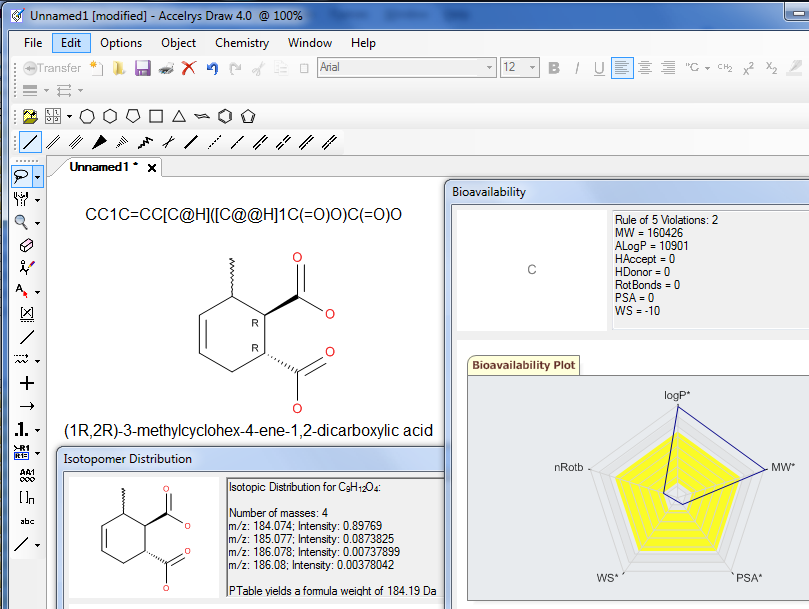 |
With the
same look-and-feel as ISIS/Draw, Accelrys Draw delivers speed and
efficiency to your chemical drawing experience.
Accelrys Draw can easily swap out existing ISIS/Draw or ChemDraw applications. |
|
Slims Desktop Limpopo «10000+ Official»Click here for more details about Rgroups, an example, and a detailed procedure how to draw a Markush query. To draw a Markush query:
|
|
|
| Generic Structure
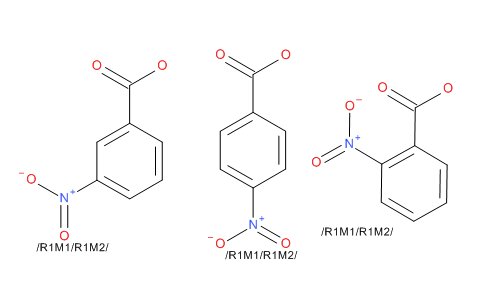
Enumerator The enumerator works against structures defined using the Rgroup tool in Accelrys Draw. In this mode you specify a scaffold with a number of Rgroup labels, then to add fragments to the Rgroup identifiers. The Add-in will calculate the complete set of structures that the Rgroups define. You can also define a generic region using the Sgroup tool. Draw the basic structure and using the Sgroup tool, drag a pair of brackets around a region that is repeated in the substance. From the dropdown select ‘generic’ for the bracket type, then select apply and exit from the dialog. Right click on one of the brackets and select the Attach Data option. In the dialog enter REPEATRANGE into the Field description box, and then enter the range in the Data box; leave the Search Operator set to none; the Tag field is optional. A contiguous range is required in the Data box, for example 3-6. A structure can contain both Rgroup definitions and Sgroup definitions, but they cannot overlap or be nested. You have the option to enumerate on to Accelrys Draw’s canvas, into an SDfile, or into an Isentris for Excel compatible spreadsheet. |
 |
|
Slims Desktop Limpopo «10000+ Official»In conclusion, Slims Desktop Limpopo is a powerful and versatile computing solution that offers a range of benefits and applications. With its sleek design, powerful processor, and high-quality graphics card, the system is perfect for individuals, businesses, and educational institutions. Whether you're looking for a reliable computer for work, play, or education, Slims Desktop Limpopo is definitely worth considering. In today's digital landscape, the need for efficient and reliable computer systems has become paramount. For individuals and businesses alike, having a computer that can handle multiple tasks with ease is no longer a luxury, but a necessity. This is where Slims Desktop Limpopo comes into play, offering a robust and versatile computing solution that caters to a wide range of needs. In this article, we will delve into the world of Slims Desktop Limpopo, exploring its features, benefits, and applications. slims desktop limpopo Slims Desktop Limpopo is a desktop computer system designed to provide users with a seamless computing experience. The system is built with a focus on performance, reliability, and affordability, making it an attractive option for individuals, small businesses, and educational institutions. With its sleek and compact design, Slims Desktop Limpopo is perfect for those who require a powerful computer that won't take up too much space. In conclusion, Slims Desktop Limpopo is a powerful |
http://accelrys.com/products/informatics/cheminformatics/draw/add-ins.html | |
Chemical Drawing Programs – The Comparison of Accelrys (Accelrys) Draw, ChemDraw, DrawIt, ACD/ChemSketch and Chemistry 4-D DrawUniversity of Debrecen, POB 70, H-4010 Debrecen, Hungary, e-mail: Last major update : 1.11.2011 If you have any comment, do not hesitate to contact the author at the above adress. |
http://dragon.klte.hu/~gundat/rajzprogramok/dprog.html |