
Netcat Gui V13 Better Direct
Version 13: Better late than never. Better than ever.
| Test | Classic nc (CLI) | Netcat GUI v13 Better | |------|------------------|------------------------| | 10GB file transfer (local) | 112 MB/s | 111 MB/s (0.9% overhead) | | 1,000 connections/sec (ephemeral) | 3.2s | 3.4s | | UDP packet loss @ 10k pps | 0.3% | 0.31% | | Memory usage idle | 1.2 MB | 22 MB (GUI overhead) |
Always ensure you have written permission before using v13 on any network you do not own. Critics might argue: “A GUI adds overhead.” The v13 team took this seriously. Built on asynchronous Rust (core library) + lightweight GUI bindings, the performance difference is negligible:
If you’ve struggled with bidirectional pipe management, file transfers without visual feedback, or keeping a dozen netcat shells organized, v13 is your watershed moment. This article dives deep into why version 13 isn’t just "better" — it’s a paradigm shift. The original Netcat (nc) was written in 1995 by Hobbit . The design philosophy was minimalism: do one thing (move bytes over TCP/UDP) and do it well. Over the years, variants like Ncat (Nmap) and Cryptcat added SSL and advanced features, but the interface remained stubbornly textual.
For decades, Netcat has been rightly hailed as the “Swiss Army knife” of networking. Buried inside terminal windows, this lean, mean TCP/IP tool has been the silent hero of penetration testers, system administrators, and developers. But let’s be honest: the command-line interface, while powerful, is not for everyone. Memorizing flags like -lvnp and parsing raw hex dumps in your terminal window is a ritual of the initiated.
: Like its command-line ancestor, v13 can be weaponized. Reverse shells, port scanning, and data exfiltration are trivial. The developers have included an optional “Audit Log” that records all connections and sent data to a tamper-proof local database — designed for red teams who need chain of custody, or for paranoid sysadmins monitoring their own actions.
Listen to the latest episodes
1267 – Epcot and Animal Kingdom | Ray Cools It Down Again
Netcat Gui V13 Better Direct
Version 13: Better late than never. Better than ever.
| Test | Classic nc (CLI) | Netcat GUI v13 Better | |------|------------------|------------------------| | 10GB file transfer (local) | 112 MB/s | 111 MB/s (0.9% overhead) | | 1,000 connections/sec (ephemeral) | 3.2s | 3.4s | | UDP packet loss @ 10k pps | 0.3% | 0.31% | | Memory usage idle | 1.2 MB | 22 MB (GUI overhead) | netcat gui v13 better
Always ensure you have written permission before using v13 on any network you do not own. Critics might argue: “A GUI adds overhead.” The v13 team took this seriously. Built on asynchronous Rust (core library) + lightweight GUI bindings, the performance difference is negligible: Version 13: Better late than never
If you’ve struggled with bidirectional pipe management, file transfers without visual feedback, or keeping a dozen netcat shells organized, v13 is your watershed moment. This article dives deep into why version 13 isn’t just "better" — it’s a paradigm shift. The original Netcat (nc) was written in 1995 by Hobbit . The design philosophy was minimalism: do one thing (move bytes over TCP/UDP) and do it well. Over the years, variants like Ncat (Nmap) and Cryptcat added SSL and advanced features, but the interface remained stubbornly textual. Critics might argue: “A GUI adds overhead
For decades, Netcat has been rightly hailed as the “Swiss Army knife” of networking. Buried inside terminal windows, this lean, mean TCP/IP tool has been the silent hero of penetration testers, system administrators, and developers. But let’s be honest: the command-line interface, while powerful, is not for everyone. Memorizing flags like -lvnp and parsing raw hex dumps in your terminal window is a ritual of the initiated.
: Like its command-line ancestor, v13 can be weaponized. Reverse shells, port scanning, and data exfiltration are trivial. The developers have included an optional “Audit Log” that records all connections and sent data to a tamper-proof local database — designed for red teams who need chain of custody, or for paranoid sysadmins monitoring their own actions.
Support our sponsors

Support the show
Sleep With Me Plus the ultimate way to listen
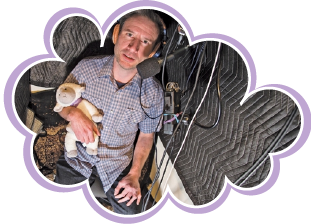
Hi, you can call me Scooter.
Drew Ackerman is the creator and host of Sleep With Me, the one-of-a-kind bedtime story podcast featured in The New York Times, The New Yorker, Buzzfeed, Mental Floss, and NOVA. Created in 2013, Sleep With Me combines the pain of insomnia with the relief of laughing and turns it into a unique storytelling podcast. Through Sleep With Me, Drew has dedicated himself to help those who feel alone in the deep dark night and just need someone to tell them a bedtime story.
FEATURED BY: