
Arch Pro is a precision-tuned LOG to REC709 LUT system built specifically for the Pocket Cinema Camera 4K, 6K, and 6K Pro. The base set includes a Natural LUT along with Filmic and Vibrant character LUTs—each one uniquely matched to your camera’s sensor and LOG profile. This isn’t one-size-fits-all, it’s one-for-each, engineered for color that just works.
Want more? The Plus and Premium Bundles unlock stylized Film Looks and DaVinci Wide Gamut support for Resolve users.




Whether you’re a filmmaker, YouTuber, or weekend warrior, if you're working with Pocket 4K, 6K, or 6K Pro footage, this is the fastest way to make it shine. Arch Pro enhances highlight rolloff, improves skin tone, and just looks good.
Import Arch Pro LUTs right into your Pocket Cinema Camera to preview the colors live — great for livestreams, fast turnarounds, or video village. Burn it in if you want. Shoot LOG and tweak later if you don’t.
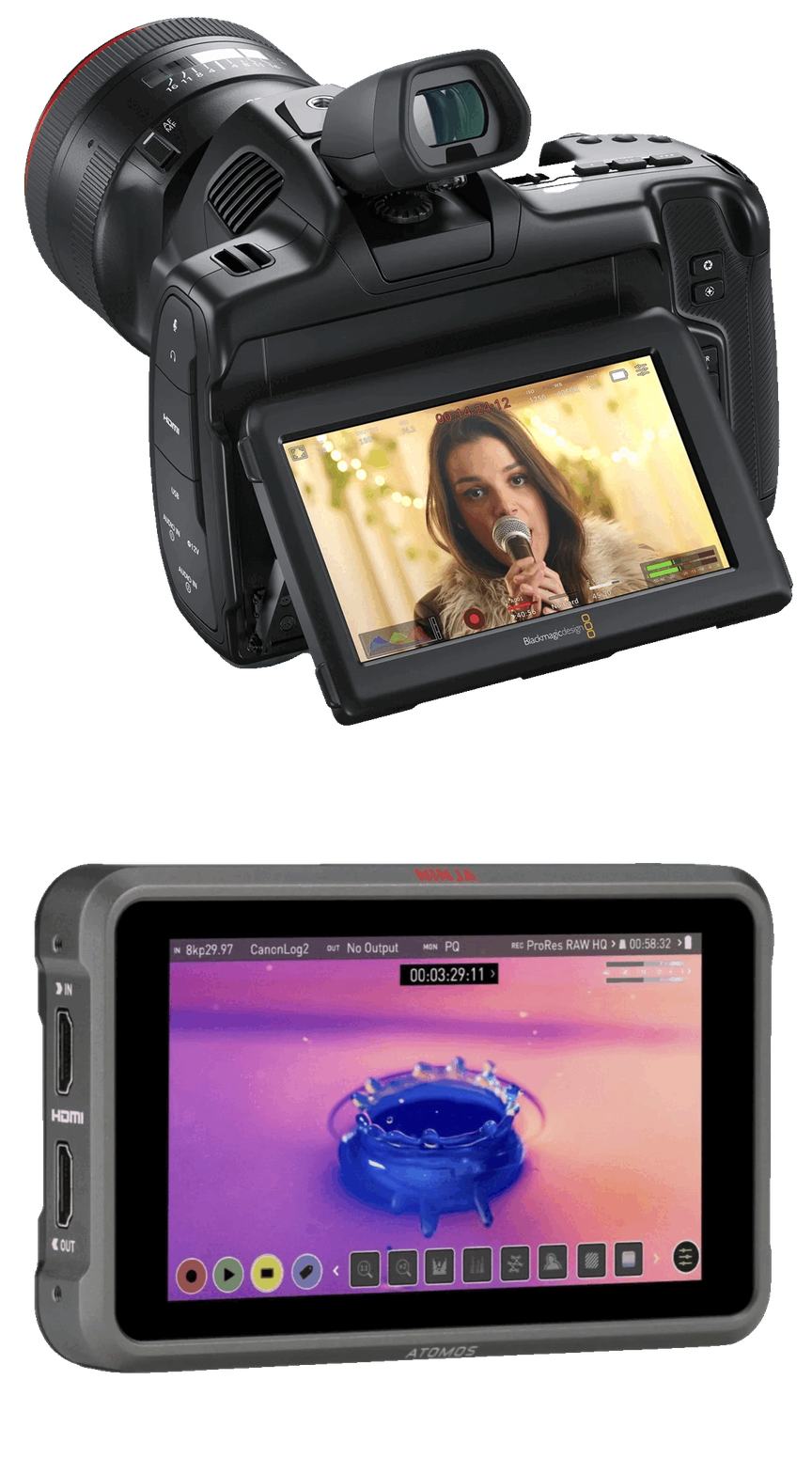

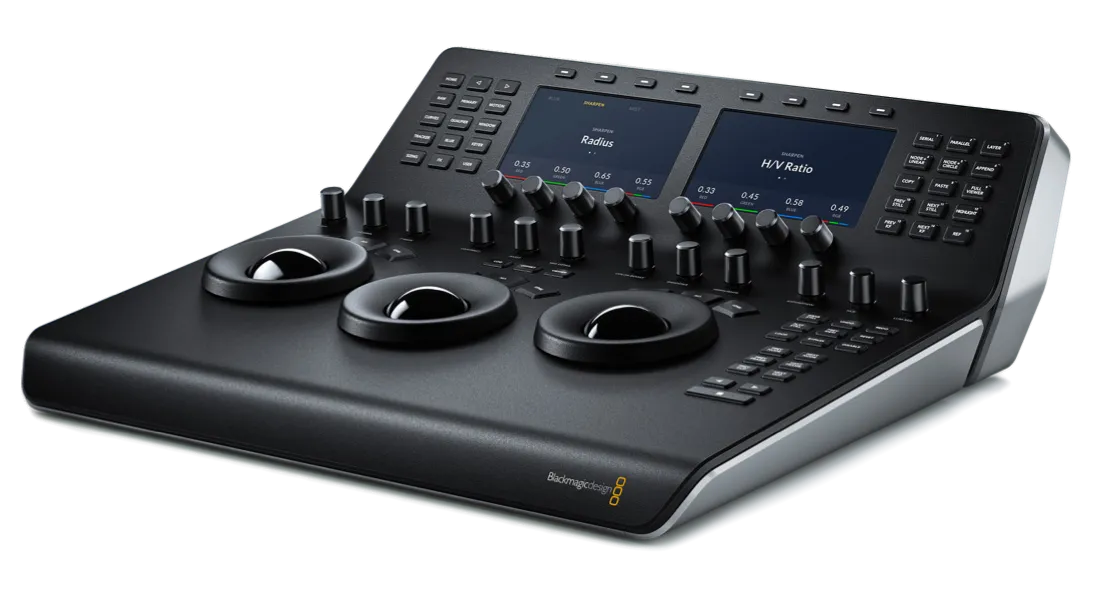
Create a cohesive cinematic look without obsessing over complex node trees. Whether you’re cutting a music video or a doc on a deadline, these LUTs hold their own — and still play nice with secondary grading and effects.

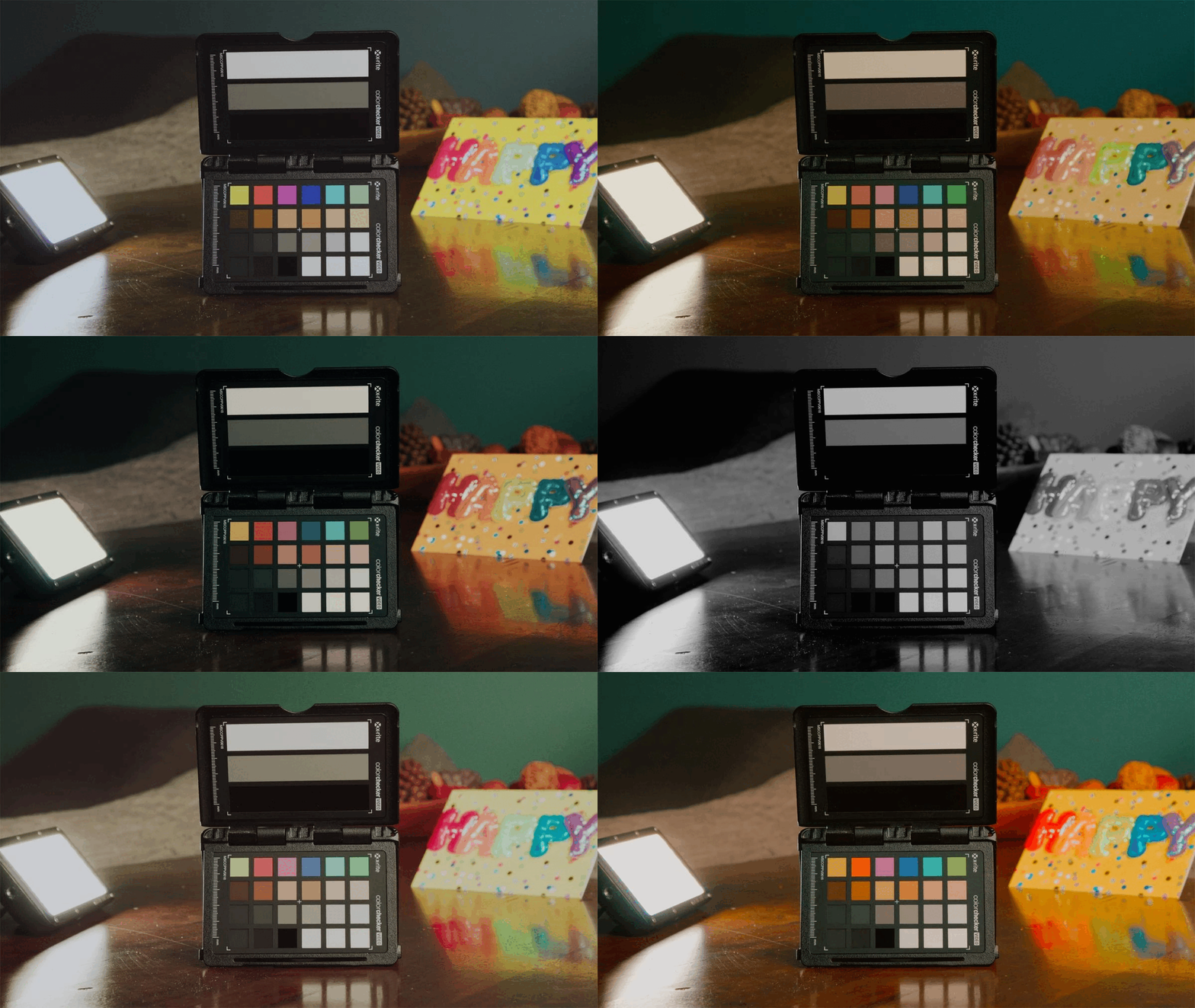
Arch Pro Plus adds 12 pre-built Film Looks that range from elegant monochromes to punchy stylization. Everything from a Black & White so classy it’d make Fred Astaire jump for joy to a Teal & Orange that could coax a single tear down Michael Bay’s cheek.

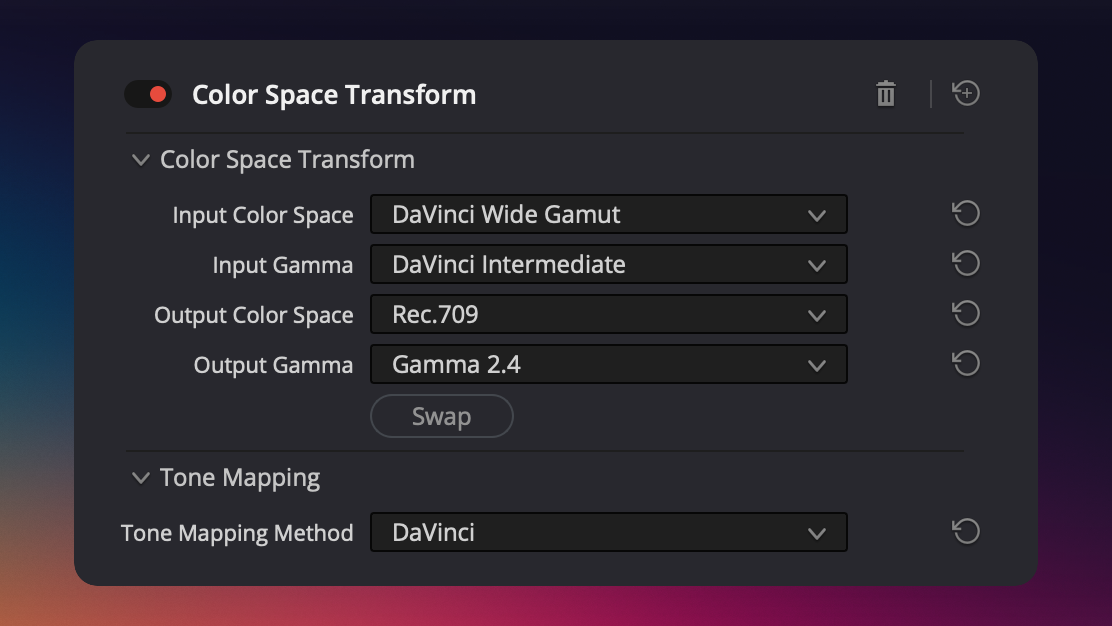
Arch Pro Premium unlocks a secret weapon: DaVinci Wide Gamut support. No Rec709 bakes. No locked-in looks. Just a clean, accurate conversion into DaVinci’s modern color space — built for real post workflows and future-proof grades.

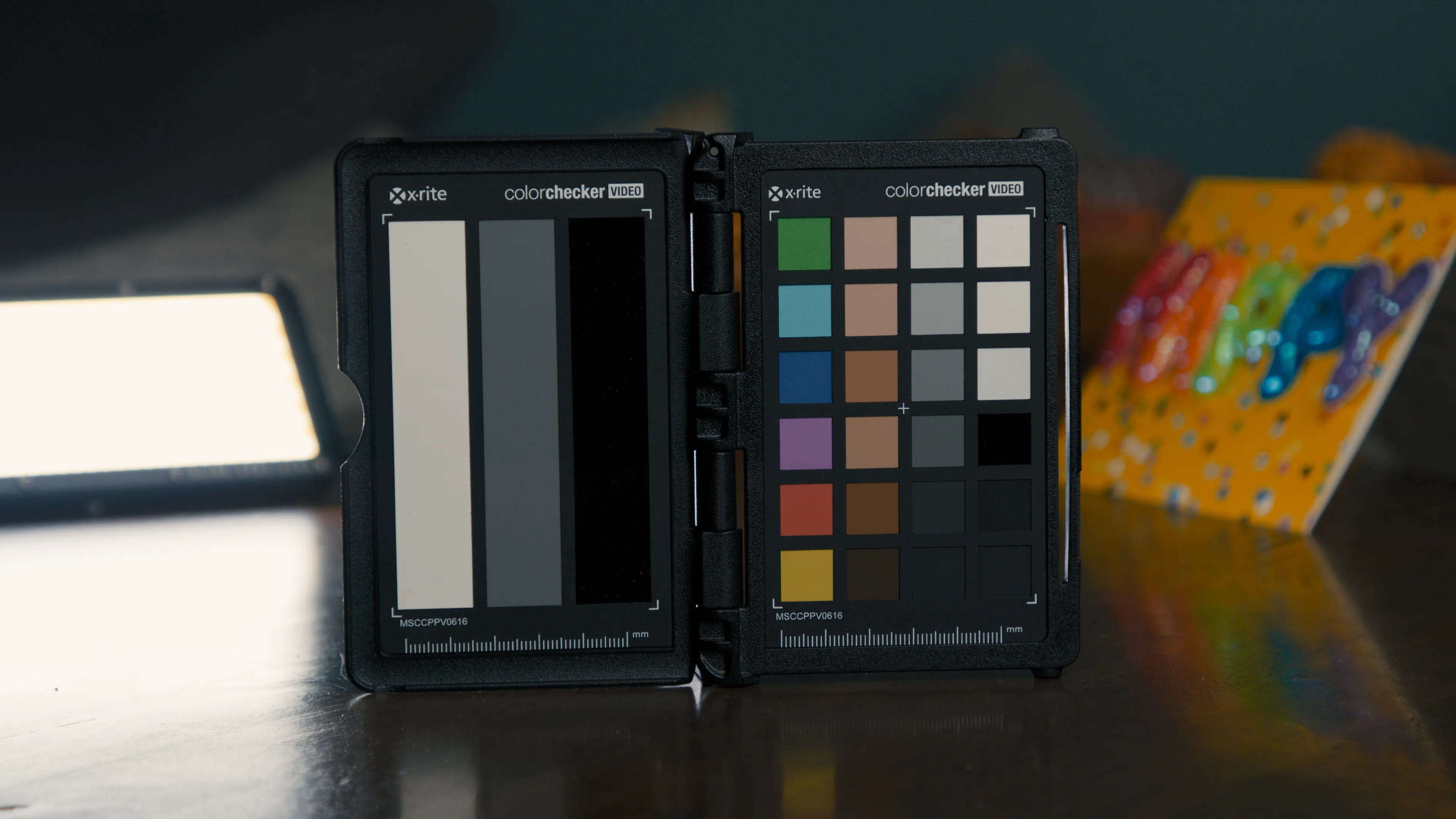
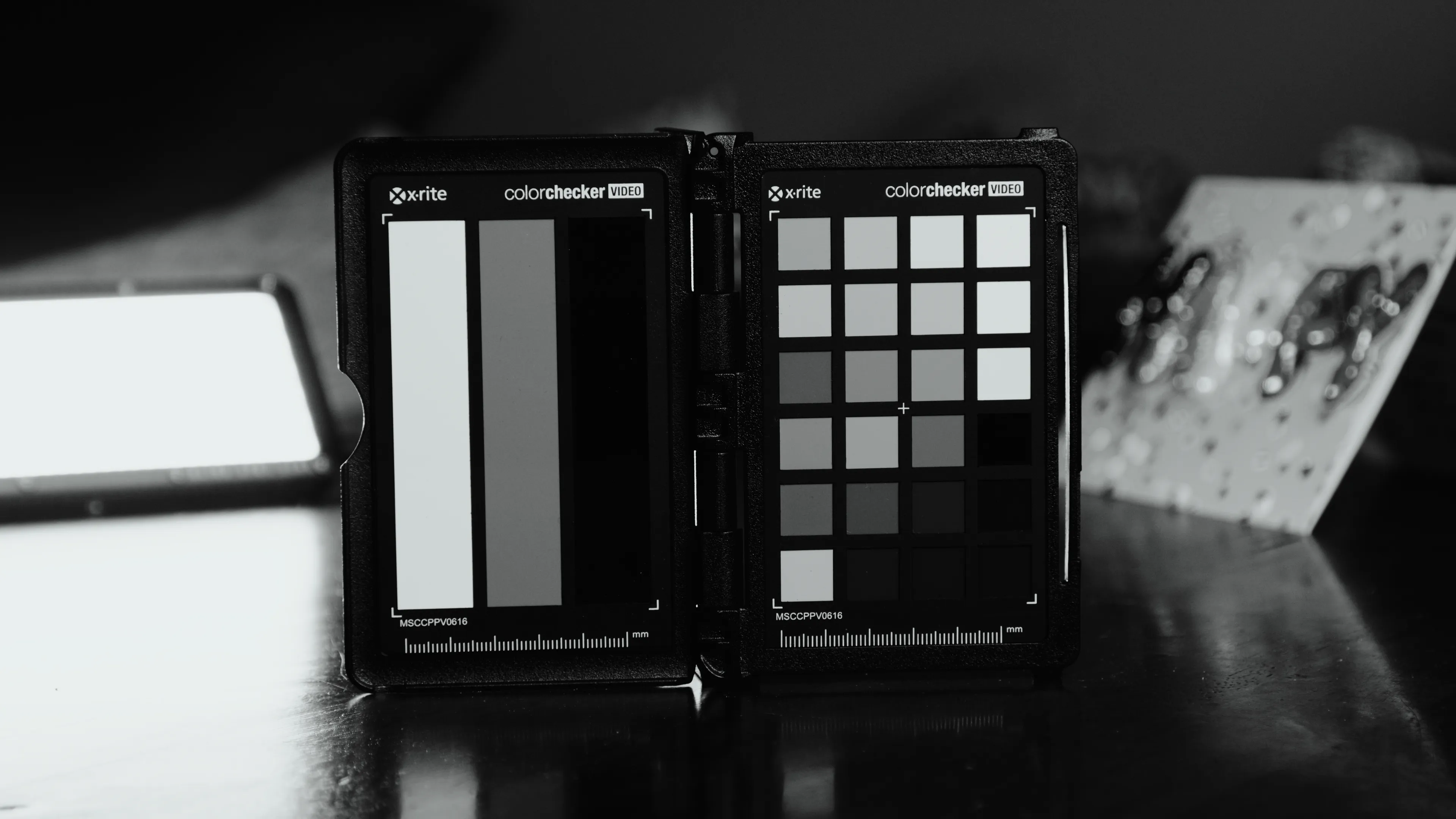
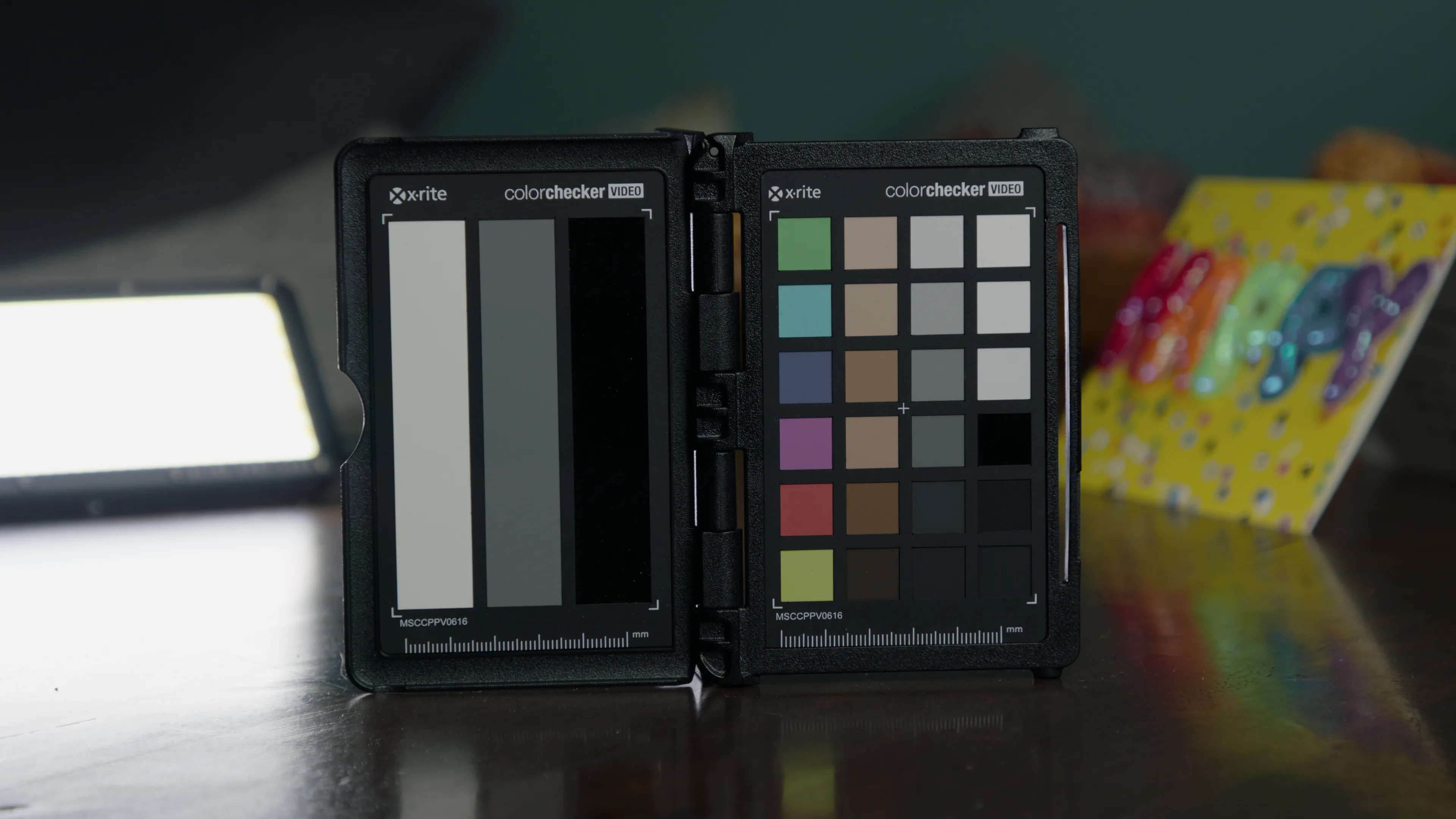
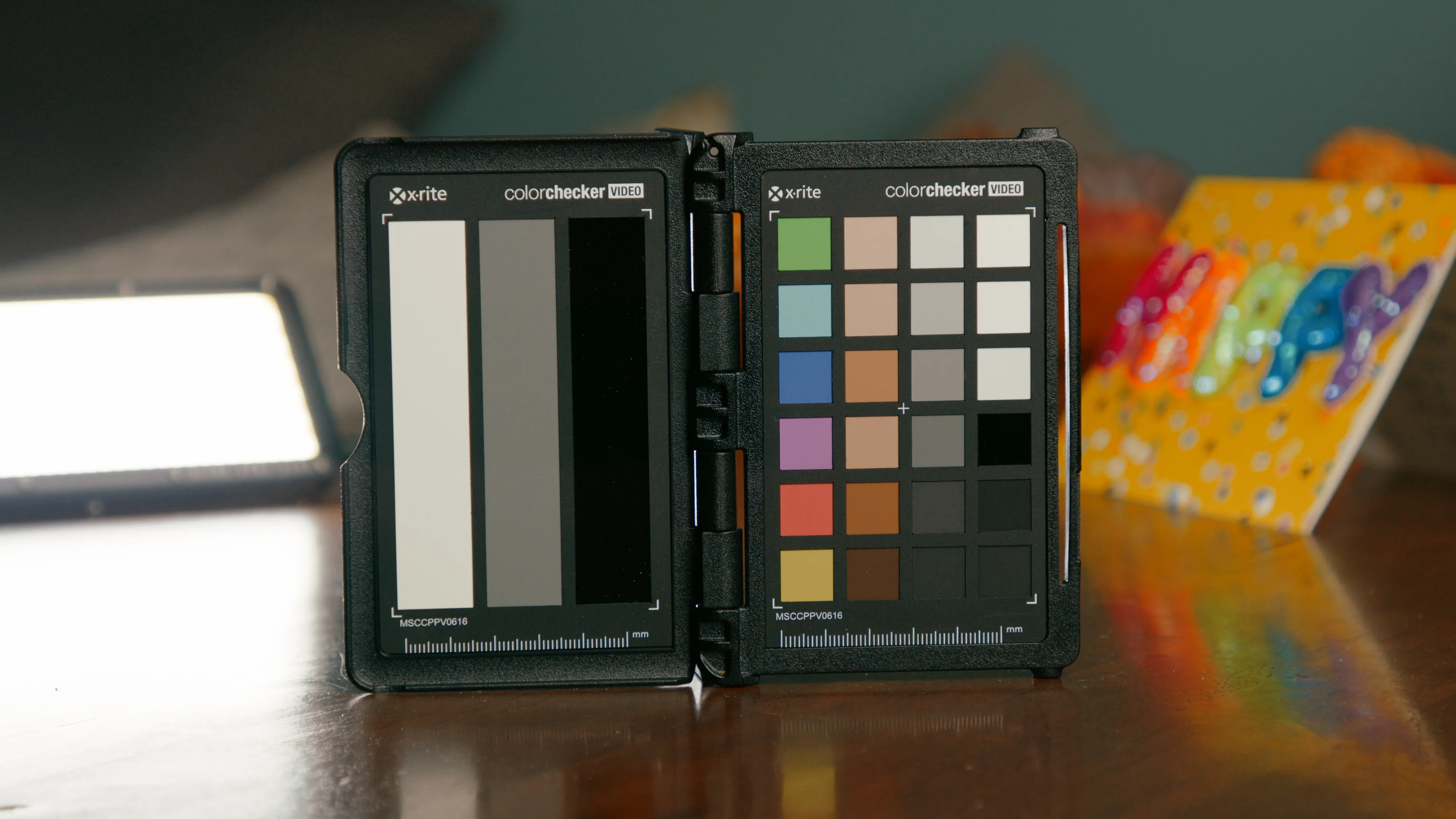
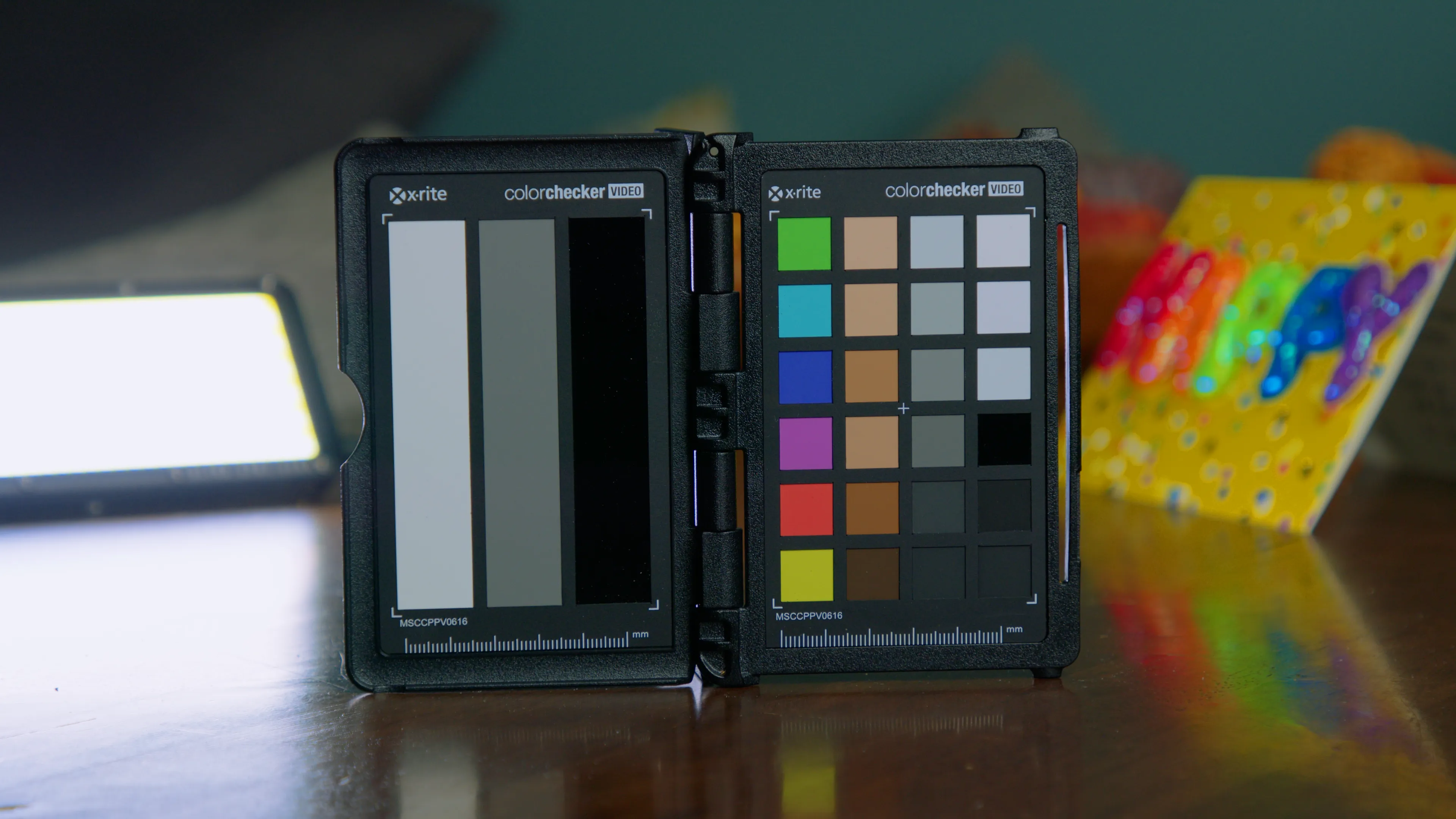
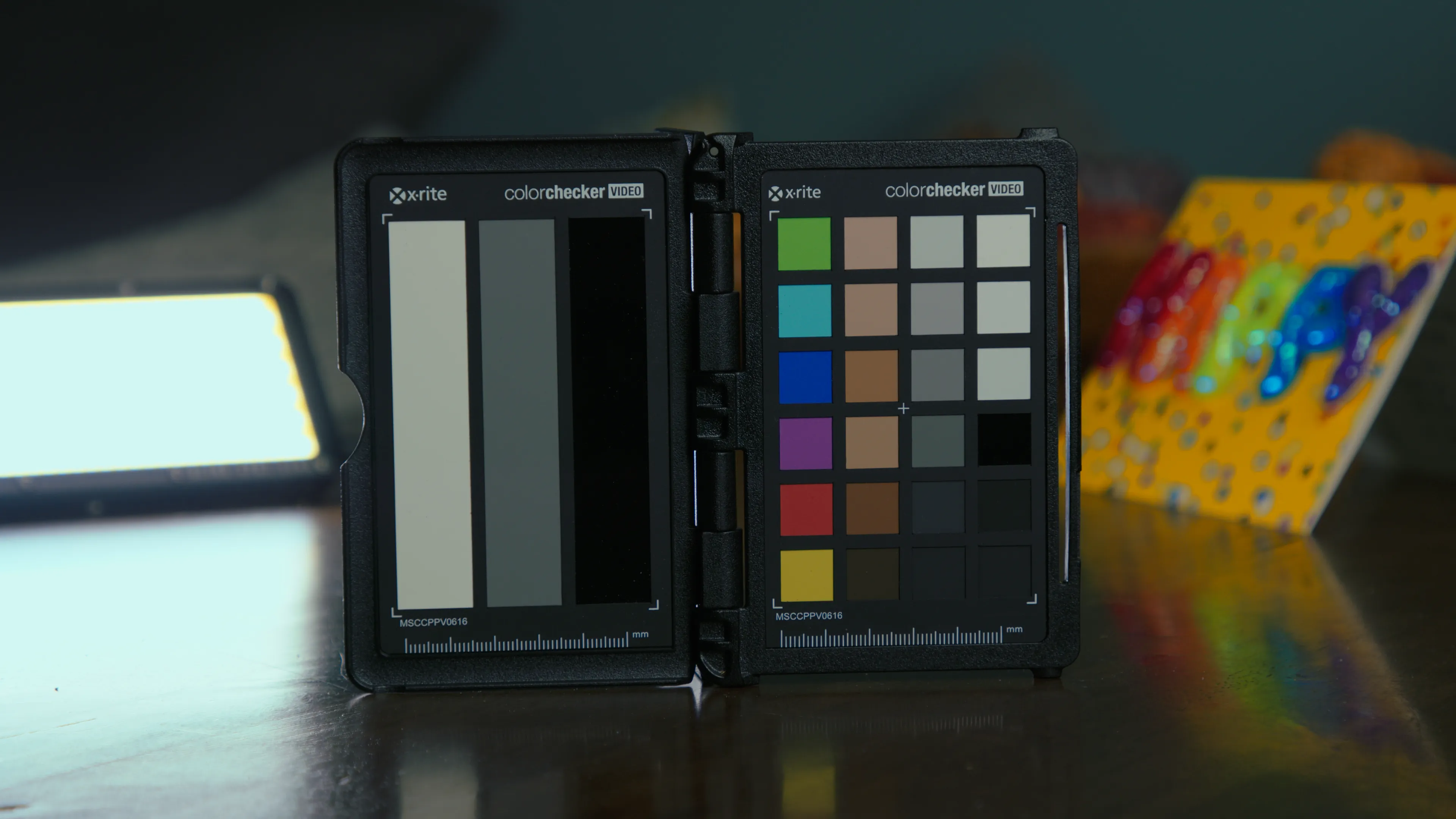
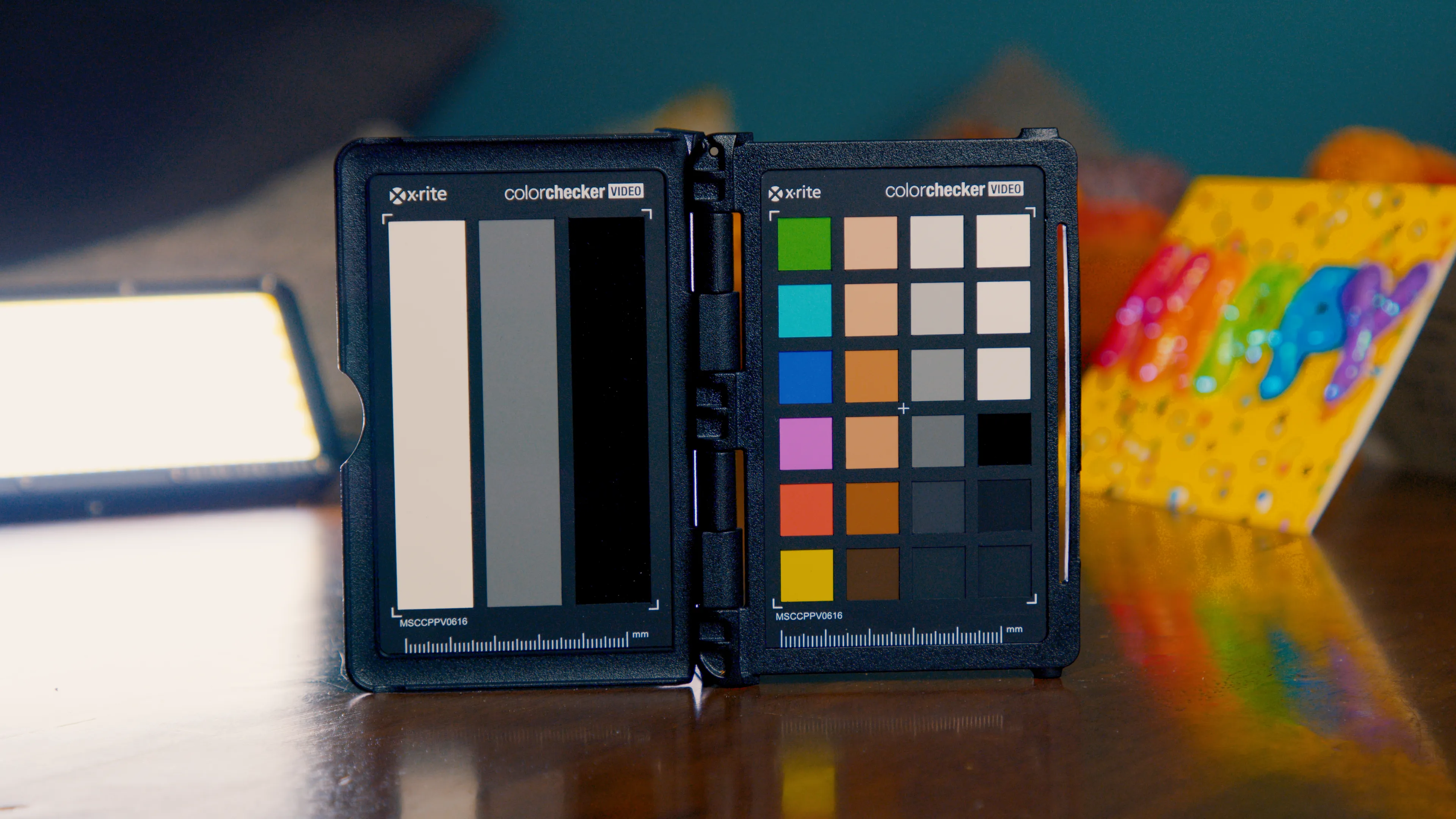
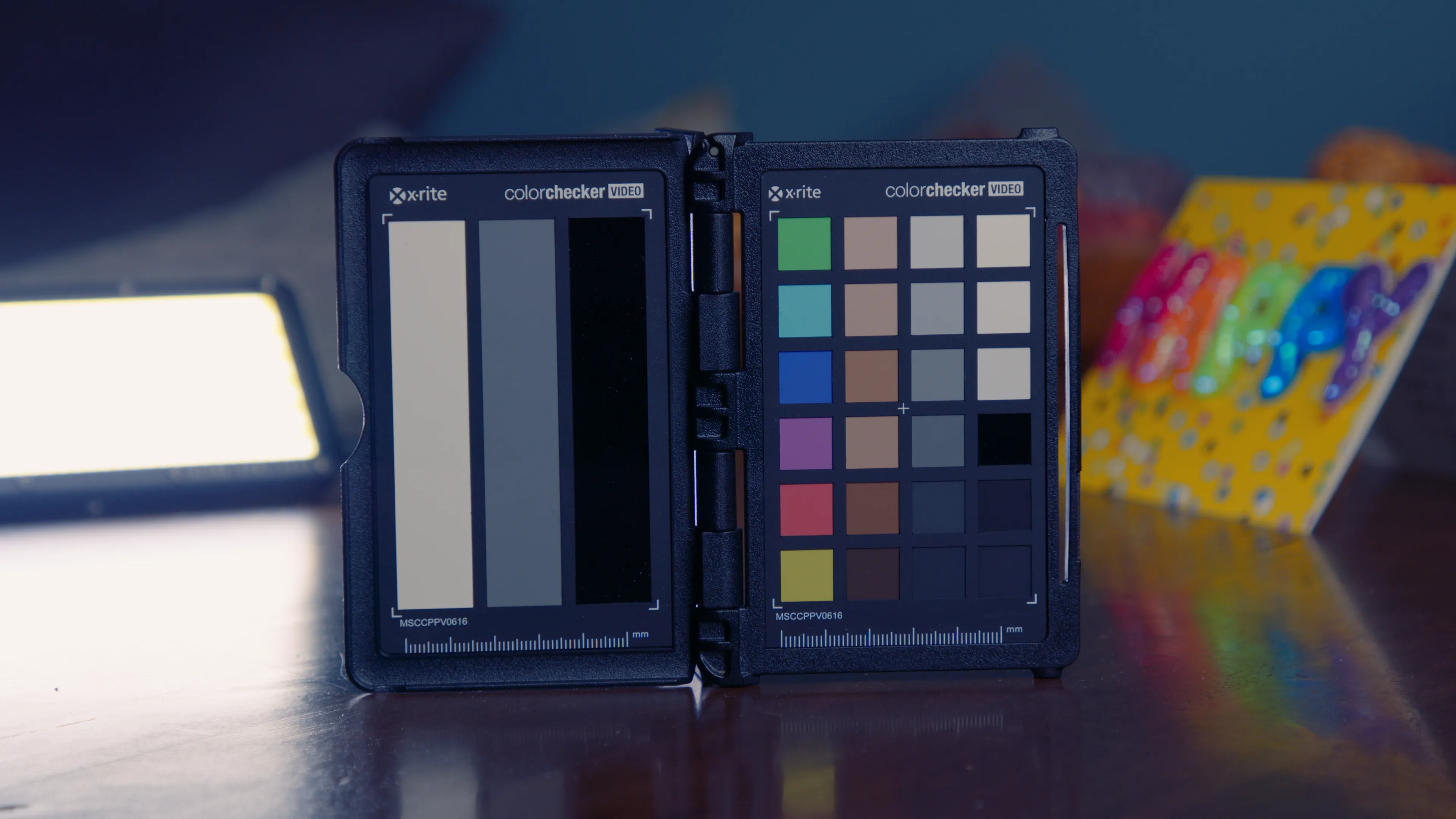
All of these examples were shot in BRAW with Gen 5 color science. On the left: Blackmagic’s built-in Extended Video LUT. On the right: Arch Pro Natural.
This isn't showing a LOG-to-Rec709 miracle like most do, this is comparing what you’d actually get side-by-side. The difference between good enough
and being there.
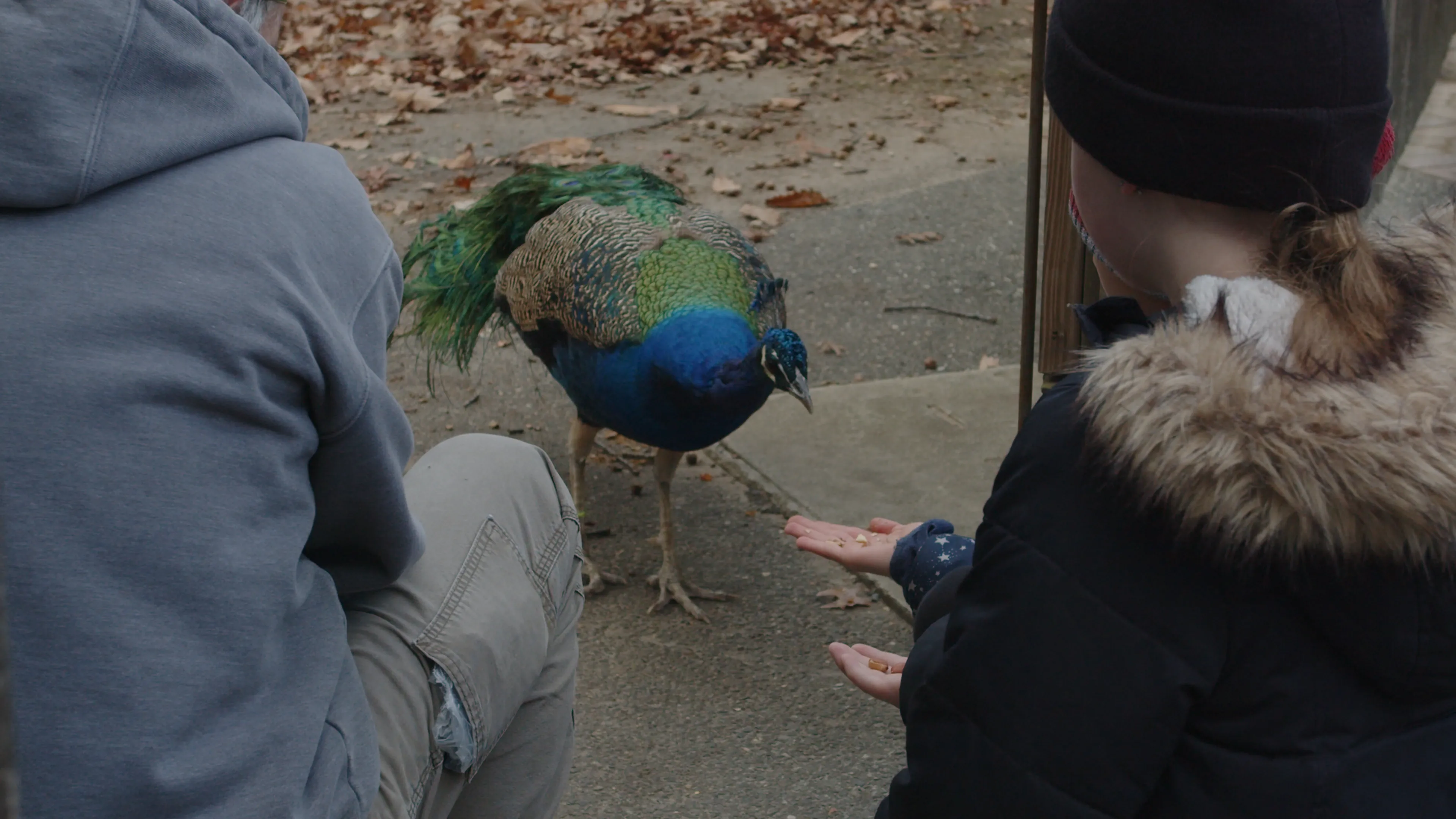
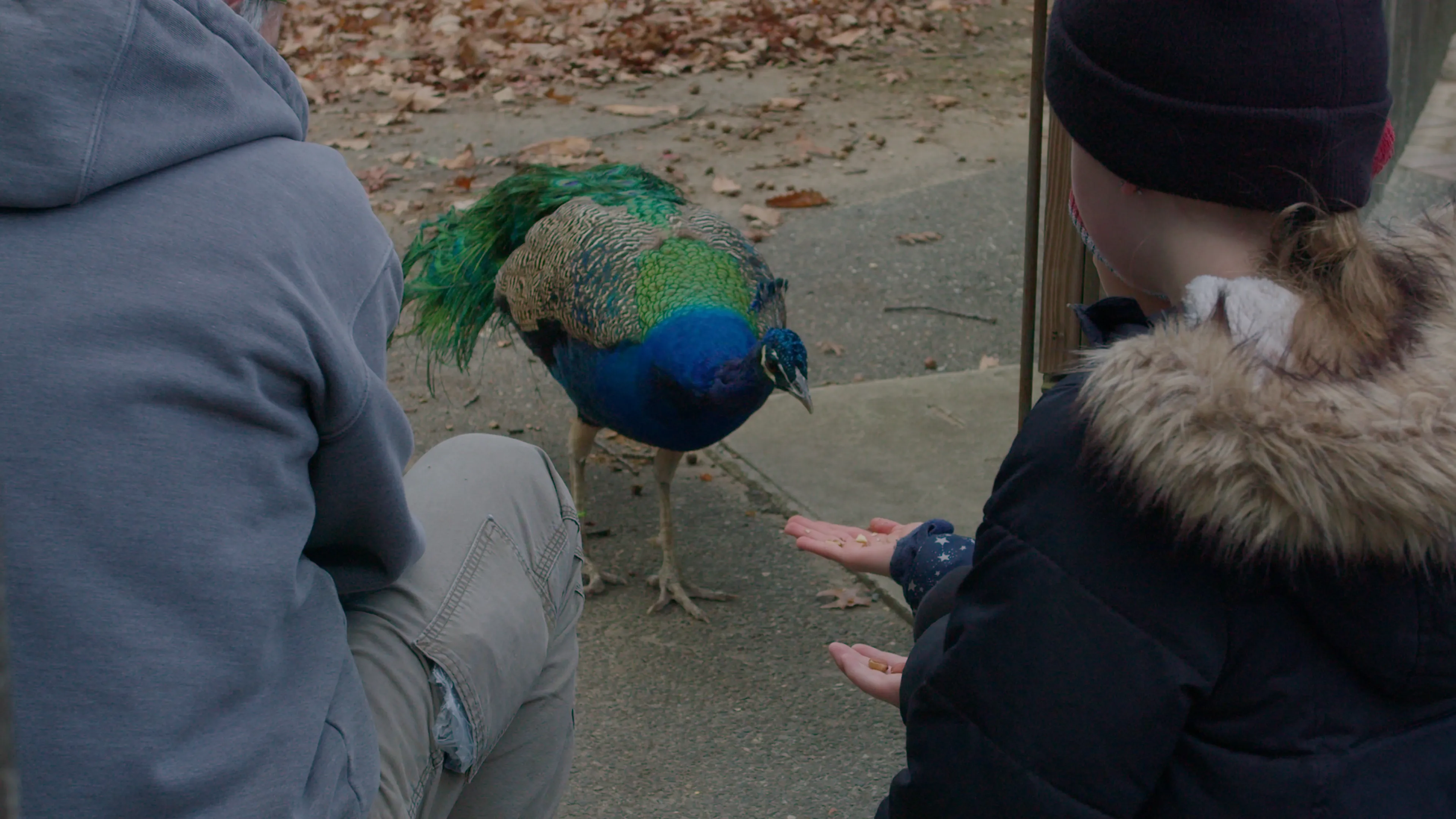














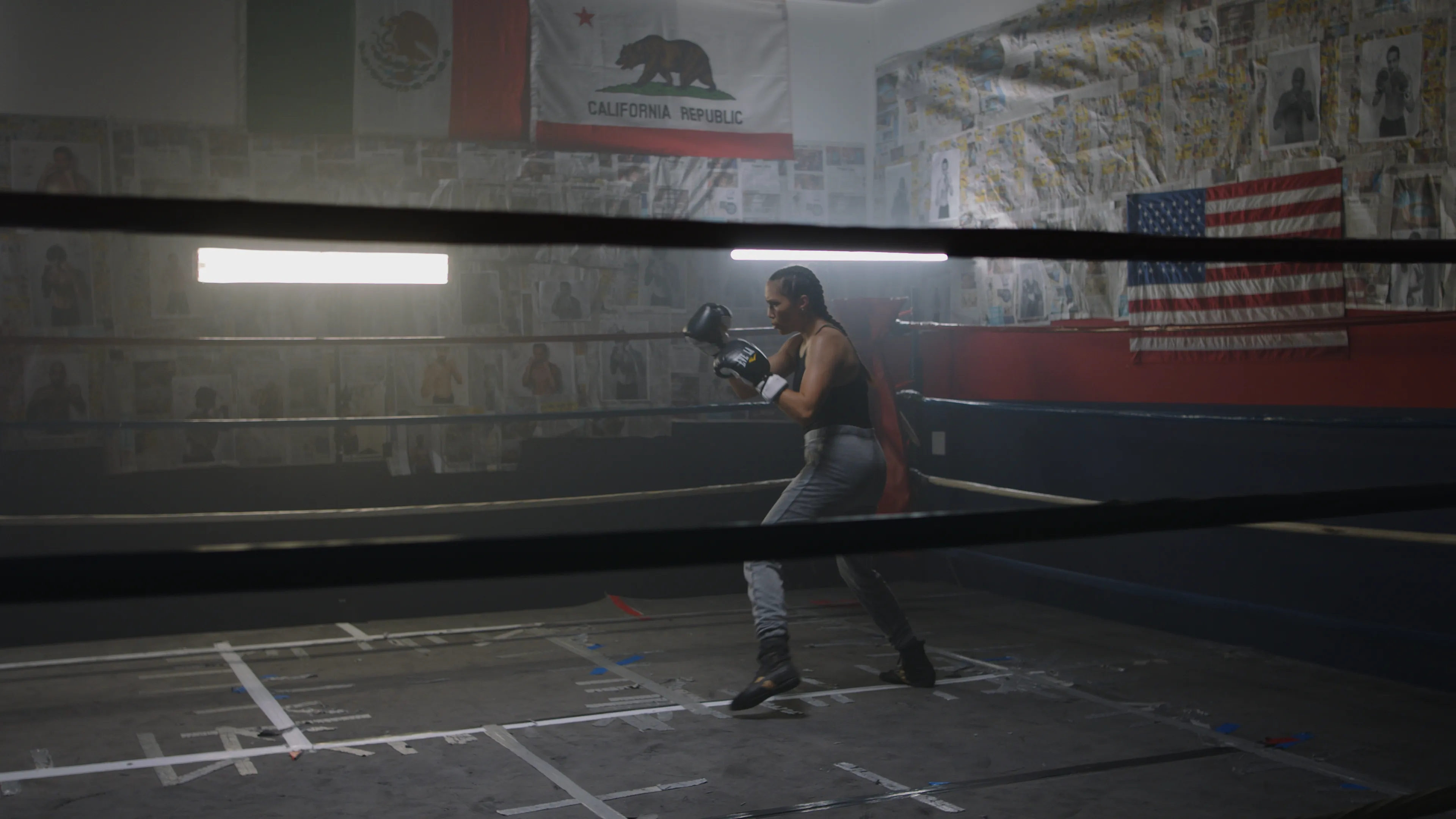
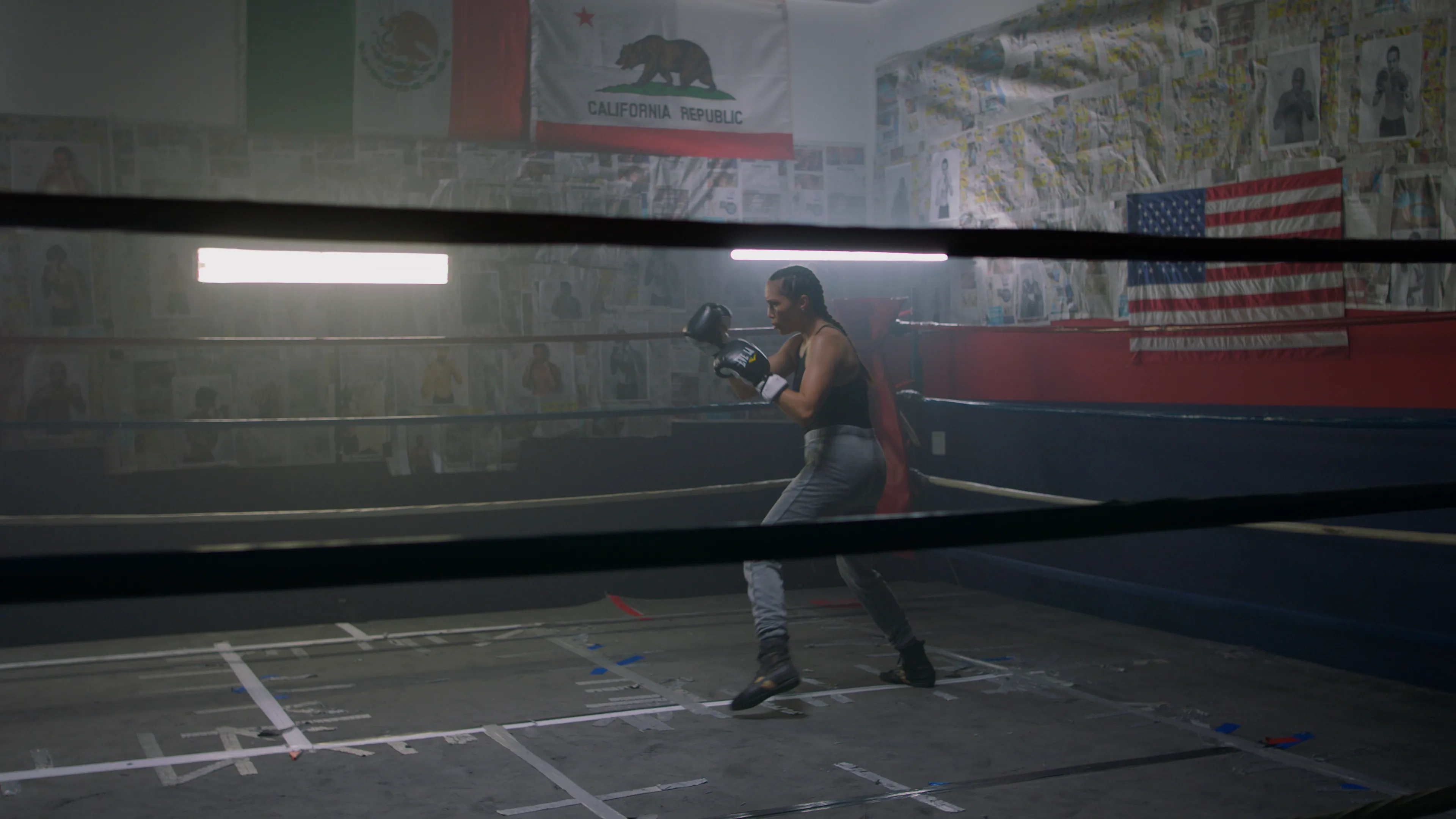










Arch Pro Plus gives you 12 distinct looks for your footage. Arch Pro Premium gives you the same looks with full DaVinci Wide Gamut support!
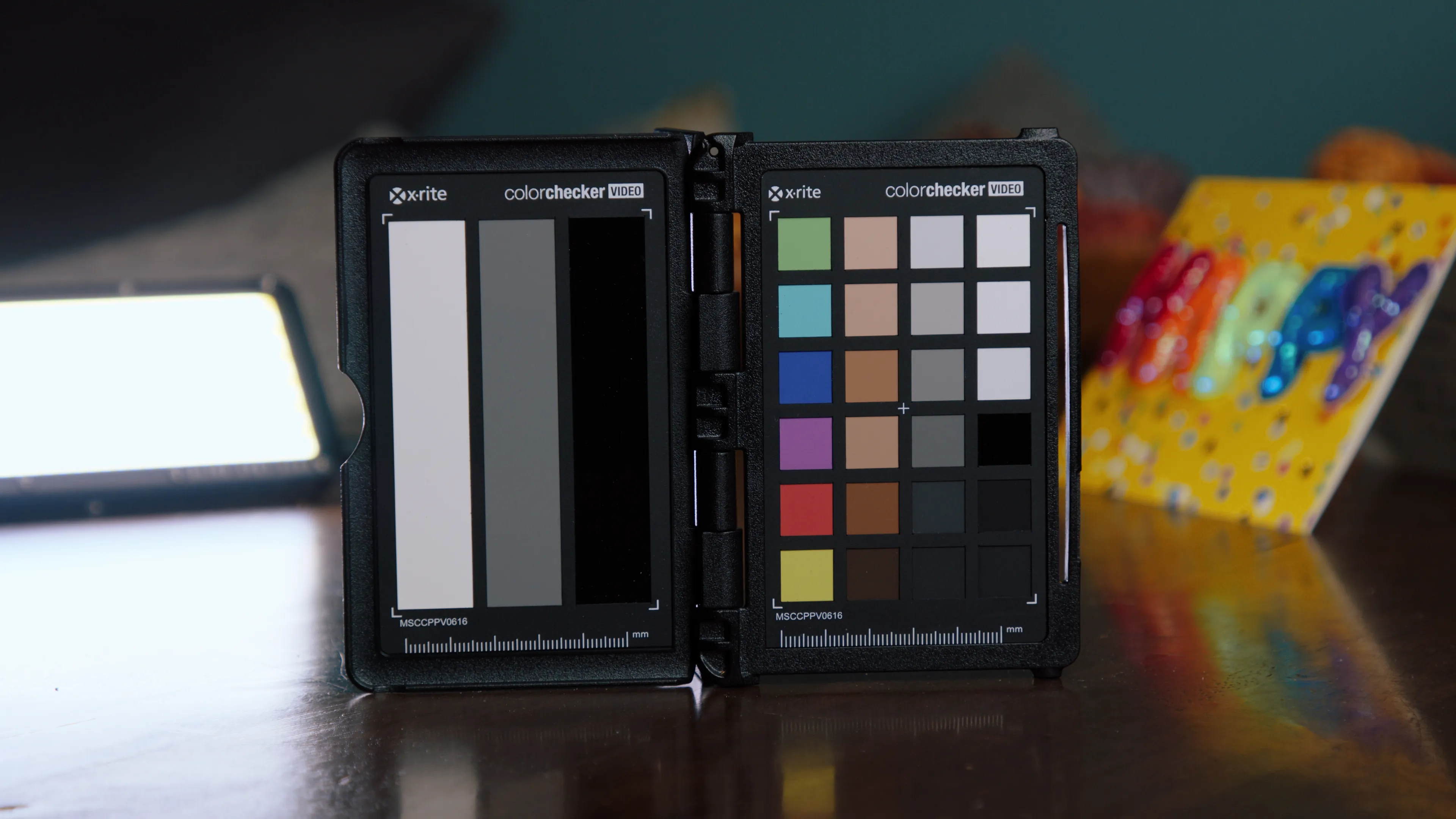
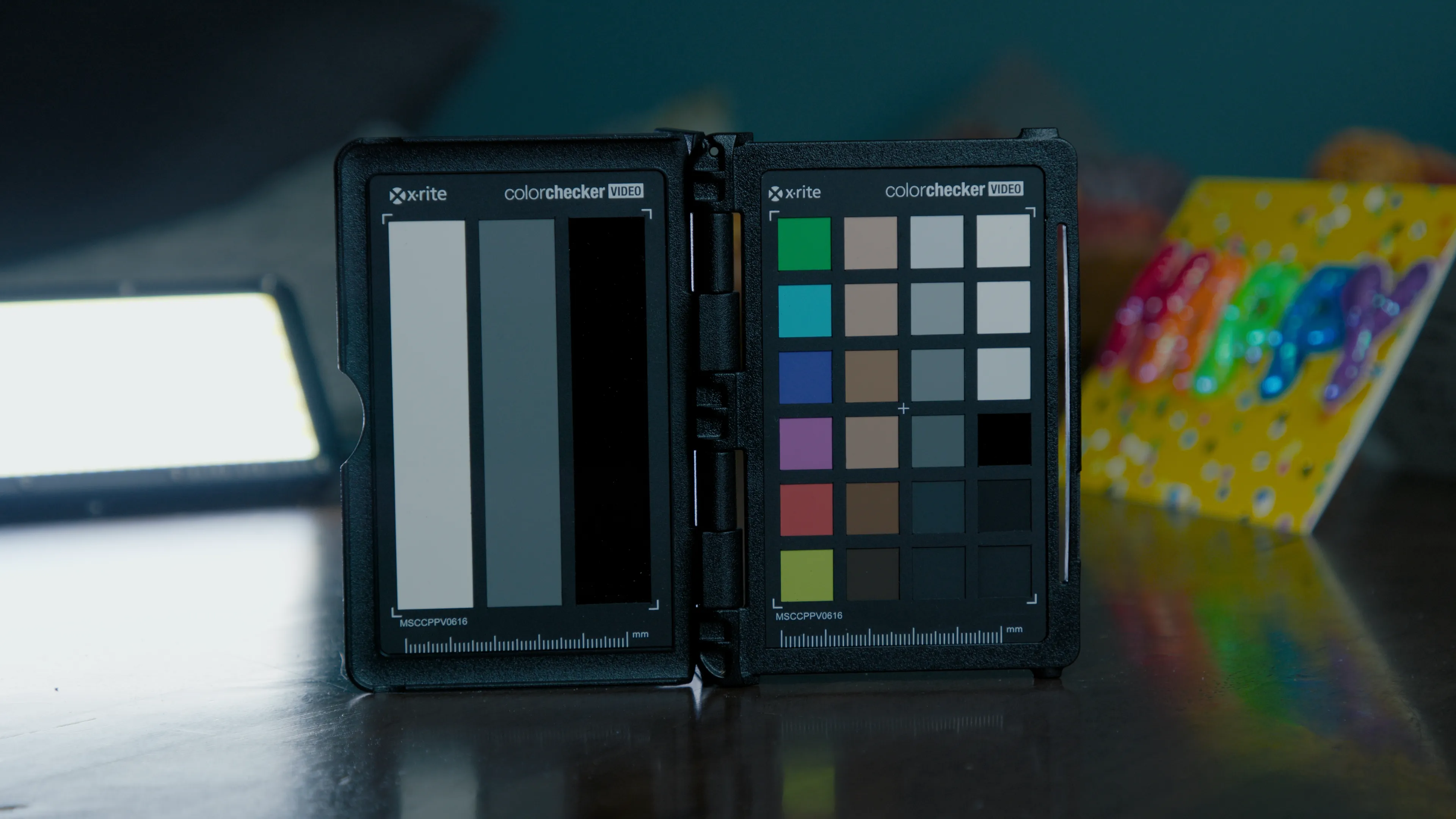
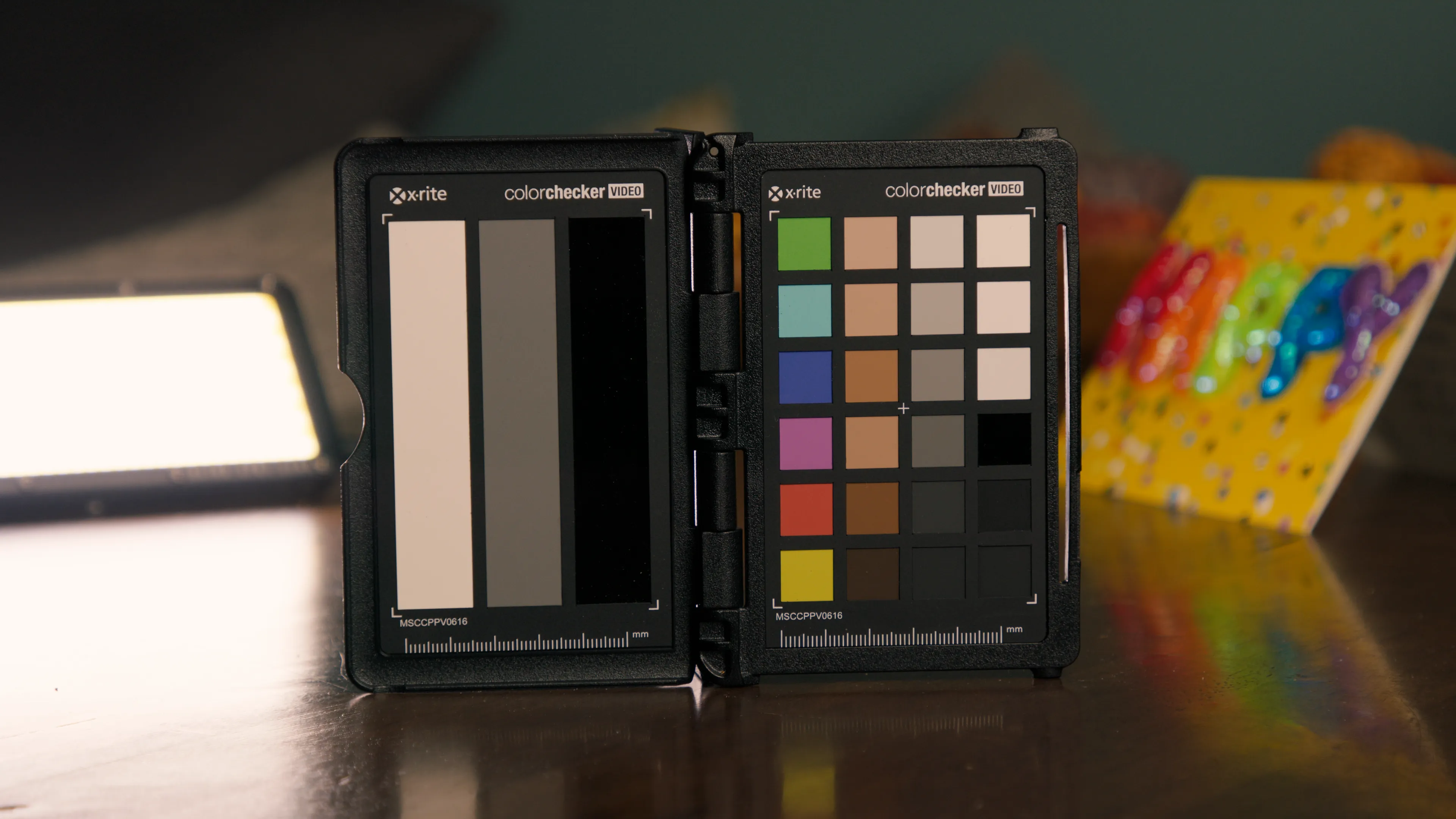
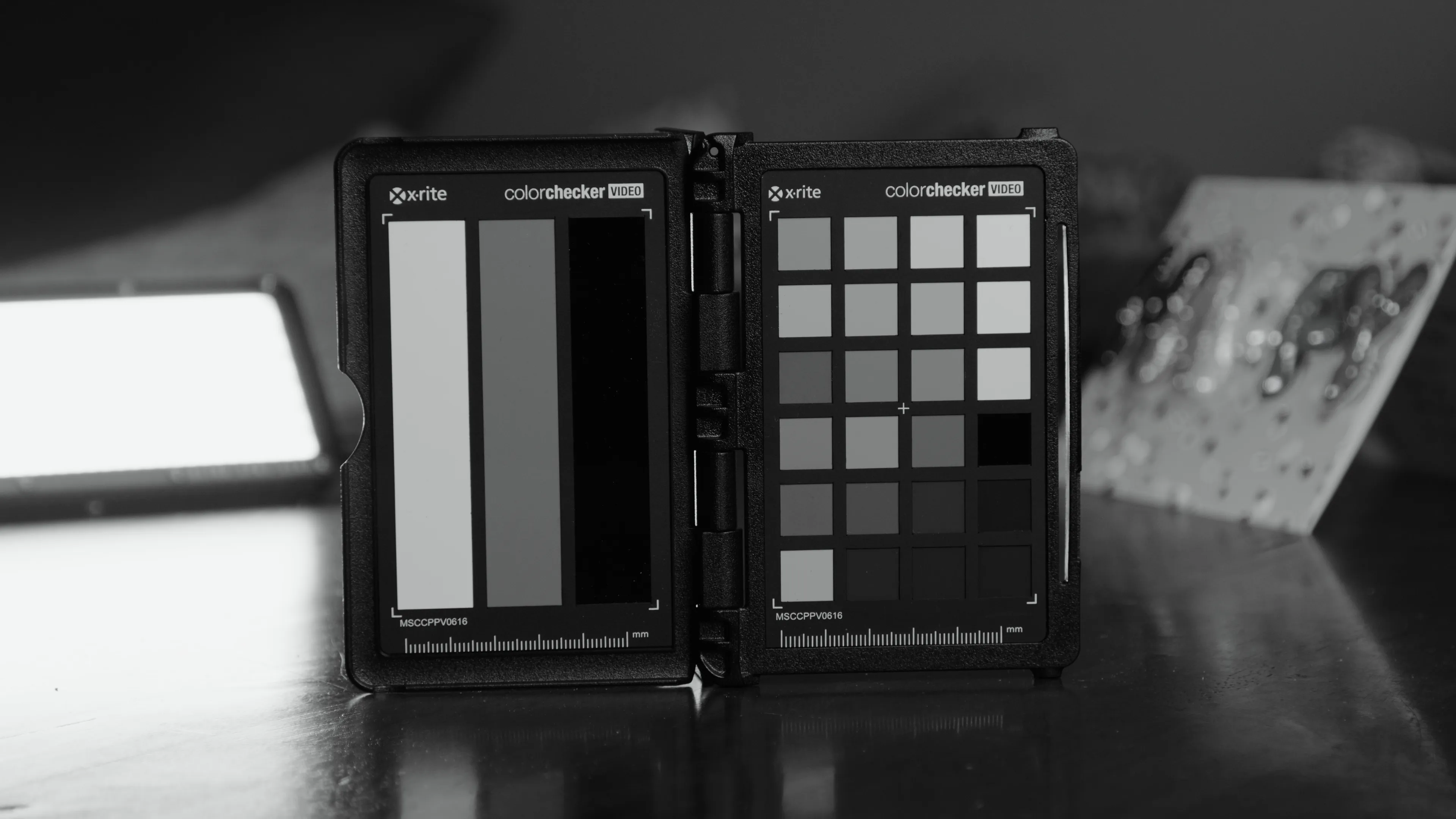
Use this nifty chart to help you decide which flavor of Arch Pro is right for you.
Not sure? Start with Plus — it’s what ~70% of customers choose! muki books
These are just a handful of teams that rely on Arch Pro for their productions.






The top priority of this LUT is to make skin tones—of all shades—look remarkable.

Between shooting midday weddings & music festivals, I've mastered the art of the highlight roll off!

I always find myself tinting towards magenta in-camera, so I set out to fix the green channel!

Gives you a very robust starting point that holds up to heavy grading and effects.

Yanno how the Extended Video LUT just kinda looks like mud? Well, kiss that look goodbye!

Compatible with any application that supports LUTs on Windows, Mac, and iOS.

As new LUTs are developed for the set or Blackmagic Color Science evolves, you'll get updates for free!
A: Compared to a standard tablet case ($20), yes. A full Muki Books switch interface system (hub + 2 buttons) can range from $150 to $400. However, compared to dedicated AAC (Augmentative and Alternative Communication) devices that cost thousands, it is very affordable. Many insurance plans or school district IEP funds will cover the cost under "adaptive equipment." The Future of Muki Books As of 2025, the developers behind Muki Books are pushing into Eye Gaze integration. Imagine a child who cannot use their hands at all. Using the same Muki software environment, they will soon be able to look at the "Turn Page" icon on the screen for 2 seconds to trigger the same effect as a button press. This keeps the software ecosystem consistent: the book never changes, only the input method.
In an era dominated by glowing screens and bite-sized digital content, finding a tool that captures a child’s imagination while fostering genuine learning feels like striking gold. Enter Muki Books —a name that is quickly becoming synonymous with innovation in the realm of early childhood education.
The concept is beautifully simple: The child presses a physical button, and the digital story responds. The page turns, a character laughs, an animal makes a sound, or the text highlights itself. This separation of the "control" (the button) from the "screen" (the story) is a game-changer, particularly for children with motor skill challenges or attention difficulties.
To learn more about specific pricing, app compatibility, and therapy guides, visit the official Muki Books resource center or speak to your local Occupational Therapist.
If you are a parent, a special education teacher, or a caregiver looking for that elusive "magic bullet" to turn screen time into learning time, you have likely stumbled upon the term. But what exactly are Muki Books, and why are they generating such a buzz in classrooms and living rooms around the globe?
Furthermore, we are seeing a rise in "Muki Maker" platforms where parents can upload photos of their family, pets, and home, turning them into custom social stories that the child can navigate using the big buttons. Muki Books is more than a product; it is a philosophy that every child deserves the dignity of turning a page. In a world where technology often builds walls between us (screens in our faces), Muki Books builds a bridge between intention and action.
By separating the stimulus (the story) from the control (the button), Muki Books allows children to focus on what truly matters: the joy of reading, the rhythm of language, and the confidence that comes from saying, "I did it myself."
A: Compared to a standard tablet case ($20), yes. A full Muki Books switch interface system (hub + 2 buttons) can range from $150 to $400. However, compared to dedicated AAC (Augmentative and Alternative Communication) devices that cost thousands, it is very affordable. Many insurance plans or school district IEP funds will cover the cost under "adaptive equipment." The Future of Muki Books As of 2025, the developers behind Muki Books are pushing into Eye Gaze integration. Imagine a child who cannot use their hands at all. Using the same Muki software environment, they will soon be able to look at the "Turn Page" icon on the screen for 2 seconds to trigger the same effect as a button press. This keeps the software ecosystem consistent: the book never changes, only the input method.
In an era dominated by glowing screens and bite-sized digital content, finding a tool that captures a child’s imagination while fostering genuine learning feels like striking gold. Enter Muki Books —a name that is quickly becoming synonymous with innovation in the realm of early childhood education.
The concept is beautifully simple: The child presses a physical button, and the digital story responds. The page turns, a character laughs, an animal makes a sound, or the text highlights itself. This separation of the "control" (the button) from the "screen" (the story) is a game-changer, particularly for children with motor skill challenges or attention difficulties.
To learn more about specific pricing, app compatibility, and therapy guides, visit the official Muki Books resource center or speak to your local Occupational Therapist.
If you are a parent, a special education teacher, or a caregiver looking for that elusive "magic bullet" to turn screen time into learning time, you have likely stumbled upon the term. But what exactly are Muki Books, and why are they generating such a buzz in classrooms and living rooms around the globe?
Furthermore, we are seeing a rise in "Muki Maker" platforms where parents can upload photos of their family, pets, and home, turning them into custom social stories that the child can navigate using the big buttons. Muki Books is more than a product; it is a philosophy that every child deserves the dignity of turning a page. In a world where technology often builds walls between us (screens in our faces), Muki Books builds a bridge between intention and action.
By separating the stimulus (the story) from the control (the button), Muki Books allows children to focus on what truly matters: the joy of reading, the rhythm of language, and the confidence that comes from saying, "I did it myself."