Unlike typical survival films that focus on a hero vs. nature, Manjummel Boys focuses on . It portrays the desperate, selfless efforts of ordinary young men who refuse to leave their friend behind in a place where authorities had previously given up hope. Technical Excellence: 720p WEB-DL and Beyond
Manjummel Boys isn't just a movie; it's a monumental achievement in Malayalam cinema that resonated across India. Directed by Chidambaram, this survival thriller based on a harrowing true story has redefined the genre with its technical brilliance and emotional depth. The True Story Behind the Screen
For viewers looking for the best experience, the film's visual and auditory design is best appreciated in high definition with a proper sound setup.
: The Hindi 5.1 and original Malayalam audio tracks are crucial. The sound design uses silence and ambient cave echoes to build unbearable tension, making the viewer feel trapped alongside the protagonist.
: The ensemble cast delivers grounded, realistic performances, eschewing "superhero" tropes for raw human emotion. Impact on Cinema
The film meticulously recreates an incident from 2006. A group of friends from a small town in Kerala travels to Kodaikanal for a vacation. Their trip takes a dark turn when one of them falls into the , specifically into a treacherous, deep crevice known as "The Devil's Kitchen."
Though it originated in the Malayalam industry, the film's themes are universal.
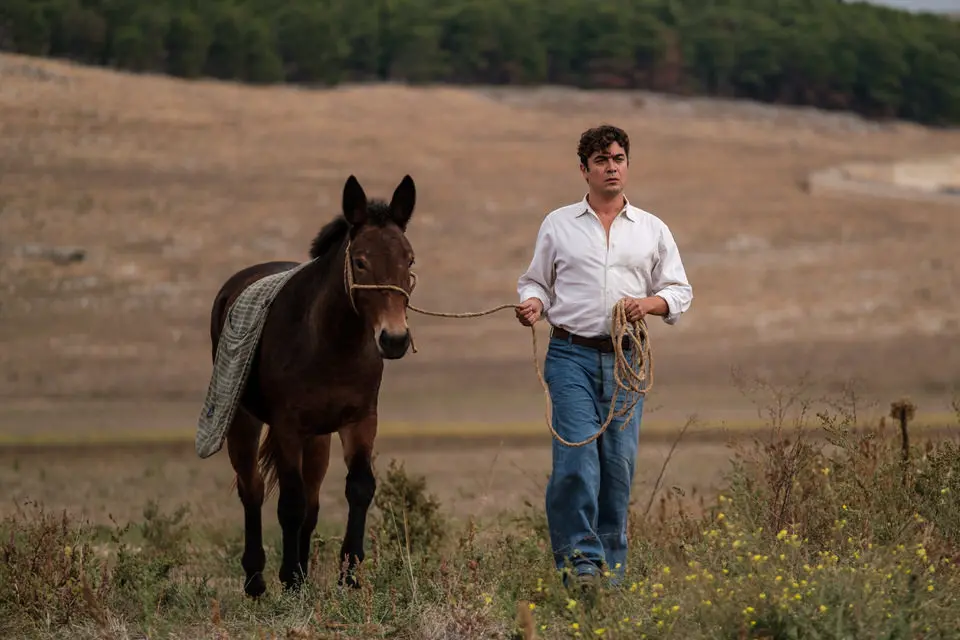
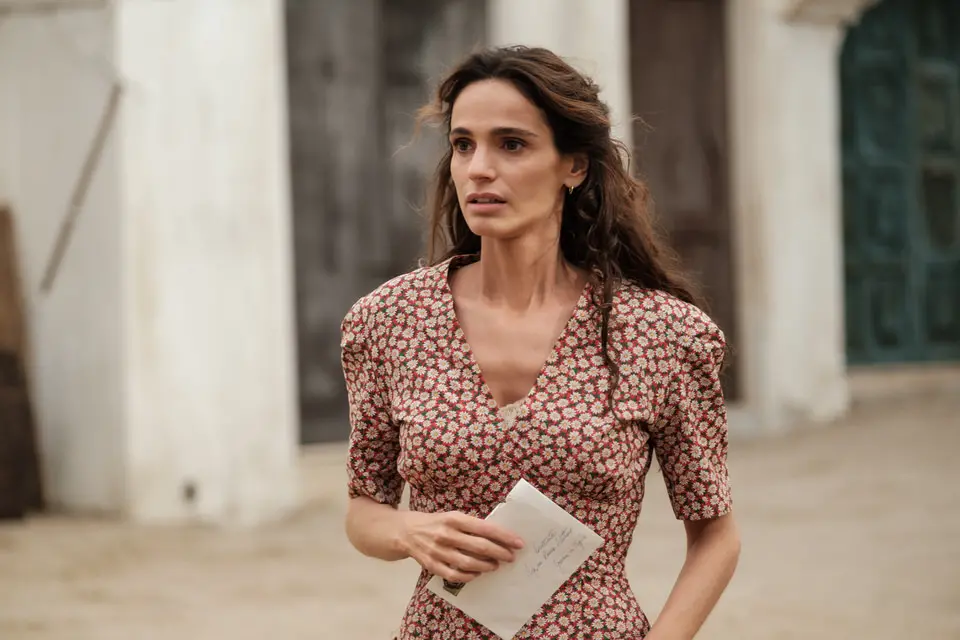
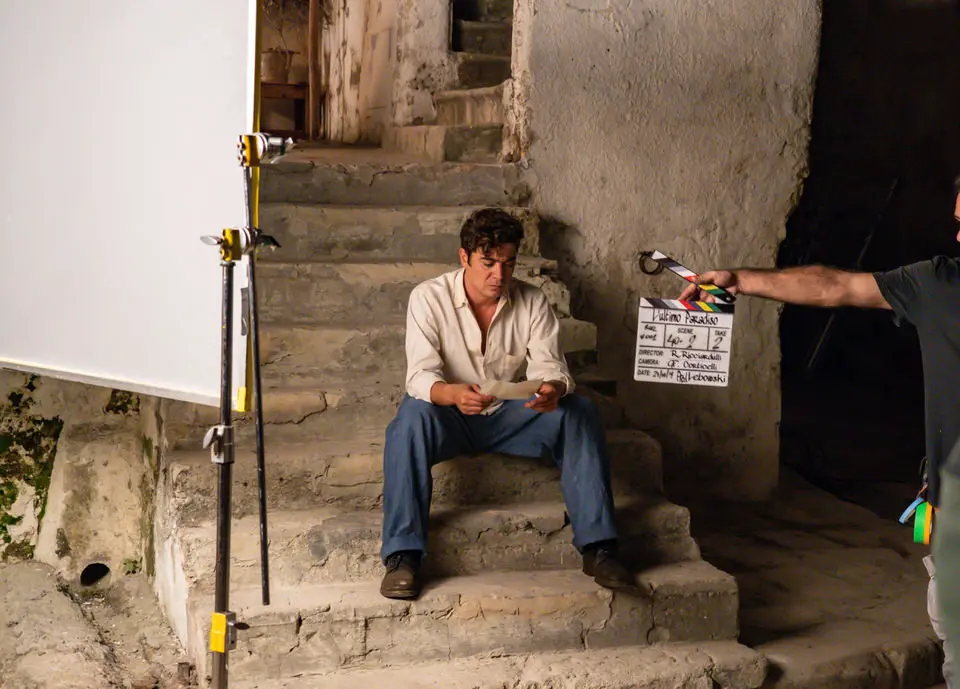
The director Rocco Ricciardulli, from Bernalda, shot his second film, L’ultimo Paradiso between October and December 2019, several dozen kilometres from his childhood home in the Murgia countryside on the border of the Apulia and Basilicata regions. The beautiful, albeit dry and arid landscape frames a story inspired by real-life events relating to the gangmaster scourge of Italy’s martyred lands. It is set in the late 1950’s, an era when certain ancestral practices of aristocratic landowners, archaic professions and a rigid division of work, owners and farmhands, oppressors and oppressed still exist and the economic boom is still far away, in time and space.
The borgo of Gravina in Puglia, where time seems to stand still, is perched at a height of 400m on a limestone deposit part of the fossa bradanica in the heart of the Parco nazionale dell’Alta Murgia. The film immortalizes the town’s alleyways, ancient residences and evocative aqueduct bridging the Gravina river. The surrounding wild nature, including olive trees, Mediterranean maquis and hectares of farm land, provides the typical colours and light of these latitudes. Just outside the residential centre, on the slopes of the Botromagno hill, which gives its name to the largest archaeological area in Apulia, is the Parco naturalistico di Capotenda, whose nature is so pristine and untouched that it provided a perfect natural backdrop for a late 1950s setting.
The alternative to oppression is departure: a choice made by Antonio whom we first meet in Trieste at the foot of the fountain of the Four Continents whose Baroque appearance decorates the majestic piazza Unità d’Italia.
The director Rocco Ricciardulli, from Bernalda, shot his second film, L’ultimo Paradiso between October and December 2019, several dozen kilometres from his childhood home in the Murgia countryside on the border of the Apulia and Basilicata regions. The beautiful, albeit dry and arid landscape frames a story inspired by real-life events relating to the gangmaster scourge of Italy’s martyred lands. It is set in the late 1950’s, an era when certain ancestral practices of aristocratic landowners, archaic professions and a rigid division of work, owners and farmhands, oppressors and oppressed still exist and the economic boom is still far away, in time and space.
The borgo of Gravina in Puglia, where time seems to stand still, is perched at a height of 400m on a limestone deposit part of the fossa bradanica in the heart of the Parco nazionale dell’Alta Murgia. The film immortalizes the town’s alleyways, ancient residences and evocative aqueduct bridging the Gravina river. The surrounding wild nature, including olive trees, Mediterranean maquis and hectares of farm land, provides the typical colours and light of these latitudes. Just outside the residential centre, on the slopes of the Botromagno hill, which gives its name to the largest archaeological area in Apulia, is the Parco naturalistico di Capotenda, whose nature is so pristine and untouched that it provided a perfect natural backdrop for a late 1950s setting.
The alternative to oppression is departure: a choice made by Antonio whom we first meet in Trieste at the foot of the fountain of the Four Continents whose Baroque appearance decorates the majestic piazza Unità d’Italia.
Lebowski, Silver Productions
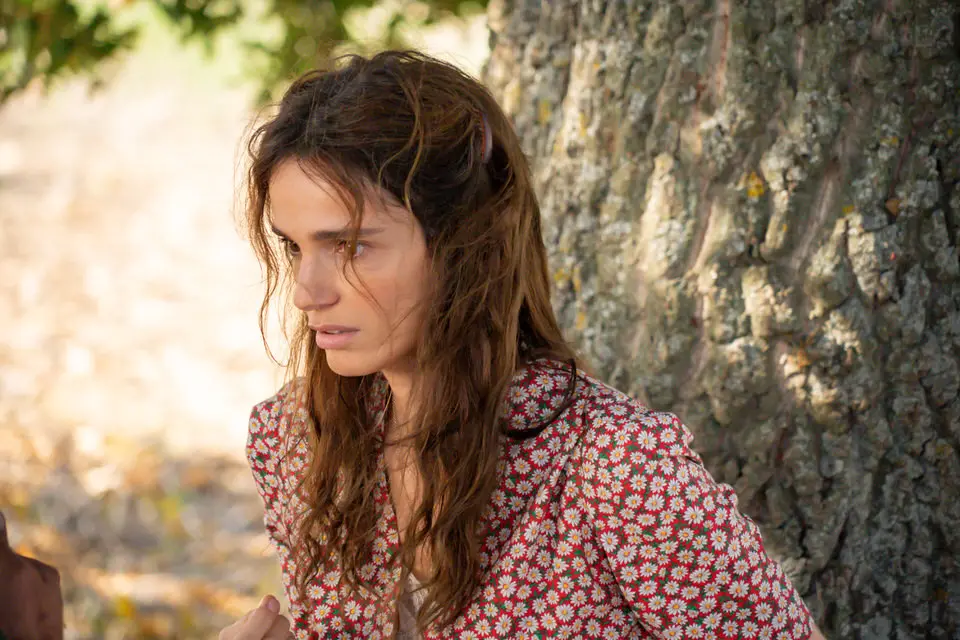
In 1958, Ciccio, a farmer in his forties married to Lucia and the father of a son of 7, is fighting with his fellow workers against those who exploit their work, while secretly in love with Bianca, the daughter of Cumpà Schettino, a feared and untrustworthy landowner.
Unlike typical survival films that focus on a hero vs. nature, Manjummel Boys focuses on . It portrays the desperate, selfless efforts of ordinary young men who refuse to leave their friend behind in a place where authorities had previously given up hope. Technical Excellence: 720p WEB-DL and Beyond
Manjummel Boys isn't just a movie; it's a monumental achievement in Malayalam cinema that resonated across India. Directed by Chidambaram, this survival thriller based on a harrowing true story has redefined the genre with its technical brilliance and emotional depth. The True Story Behind the Screen
For viewers looking for the best experience, the film's visual and auditory design is best appreciated in high definition with a proper sound setup.
: The Hindi 5.1 and original Malayalam audio tracks are crucial. The sound design uses silence and ambient cave echoes to build unbearable tension, making the viewer feel trapped alongside the protagonist.
: The ensemble cast delivers grounded, realistic performances, eschewing "superhero" tropes for raw human emotion. Impact on Cinema
The film meticulously recreates an incident from 2006. A group of friends from a small town in Kerala travels to Kodaikanal for a vacation. Their trip takes a dark turn when one of them falls into the , specifically into a treacherous, deep crevice known as "The Devil's Kitchen."
Though it originated in the Malayalam industry, the film's themes are universal.