Ai Haneda 100%

immagine per Paolo Di Paolo In concorso con:
2024: Romanzo senza umani, Feltrinelli

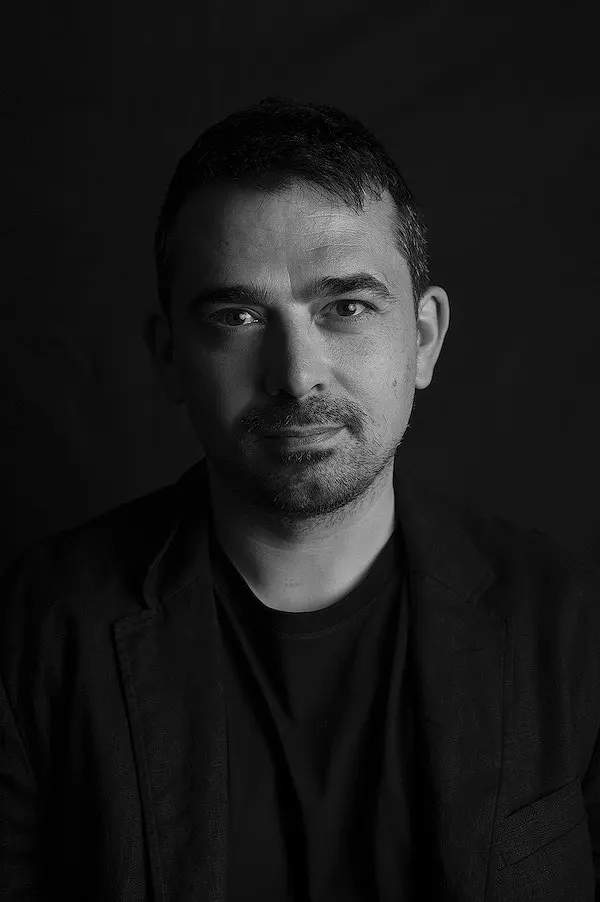
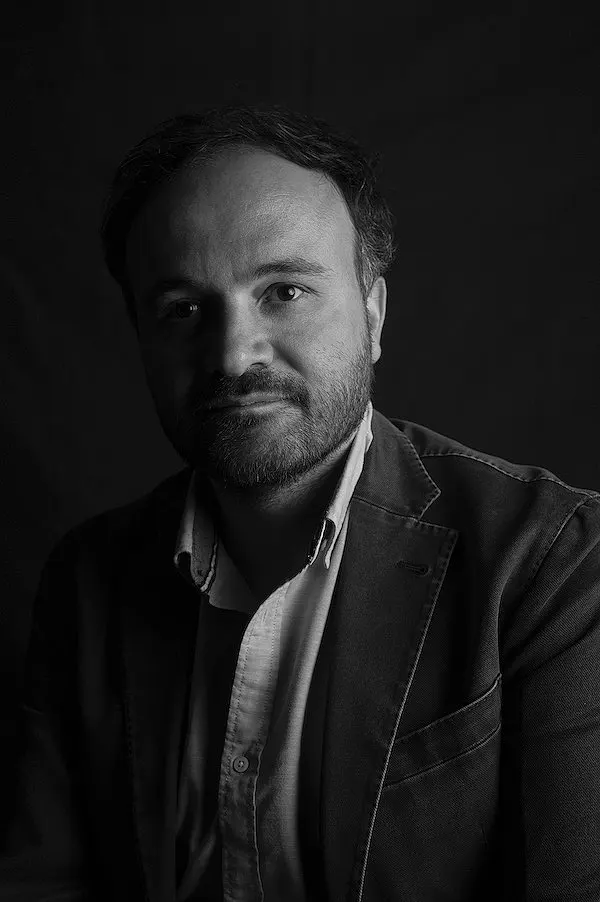
Paolo Di Paolo è nato nel 1983 a Roma. Ha pubblicato i romanzi Raccontami la notte in cui sono nato (2008), Dove eravate tutti (2011 Premio Mondello e Super Premio Vittorini), Mandami tanta vita (2013 finalista Premio Strega), Una storia quasi solo d’amore (2016), Lontano dagli occhi (2019 Premio Viareggio-Rèpaci), tutti nel catalogo Feltrinelli e tradotti in diverse lingue europee. Molti suoi libri sono nati da dialoghi: con Antonio Debenedetti, Dacia Maraini, Raffaele La Capria, Antonio Tabucchi, di cui ha curato Viaggi e altri viaggi (Feltrinelli 2010), e Nanni Moretti. È autore di testi per bambini, fra cui La mucca volante (2014 finalista Premio Strega Ragazze e Ragazzi) e I Classici compagni di scuola (Feltrinelli 2021), e per il teatro. Scrive per «la Repubblica» e per «L’Espresso».

foto di Matteo Casilli

Ai Haneda 100%

In 2023, a prominent oil painter on Reddit argued, "You didn't paint the petals. The algorithm did. You're a director, not an artist." The comment sparked a 5,000-reply debate.

Whether you are a collector, a skeptic, or another artist trying to find your voice in the age of algorithms, AI Haneda offers a roadmap. Pick up the brush. Train the model. And remember to embrace the beautiful mistakes. Have you seen AI Haneda’s work in person? Share your thoughts in the comments below. For more deep dives into the artists redefining the digital frontier, subscribe to our weekly newsletter, The Pixels Between Us. ai haneda

Emerging from the bustling creative districts of Tokyo, Haneda grew up surrounded by the dichotomy of traditional Japanese art (ukiyo-e, sumi-e, and kawaii culture) and the hyper-technological futurism of neon-lit metropolises. After studying fine arts at Tama Art University, Haneda began integrating Generative Adversarial Networks (GANs) into the creative process. In 2023, a prominent oil painter on Reddit

This article dives deep into the enigmatic career of AI Haneda, exploring the unique aesthetic, the tools behind the talent, and why this artist is essential reading for anyone interested in the future of creativity. To understand the phenomenon, one must first separate the name. "AI" does not stand for "Artificial Intelligence" in this context—it is the artist’s given name (pronounced "Ah-ee"). However, the double meaning is intentional. AI Haneda deliberately plays with the tension between organic human intuition and algorithmic precision. Whether you are a collector, a skeptic, or

In the rapidly evolving landscape of digital art, few names have sparked as much intrigue, controversy, and admiration as AI Haneda . At first glance, the name might suggest a futuristic AI system born in Tokyo’s Haneda Airport, but the reality is far more nuanced and human. AI Haneda (often stylized as Ai Haneda ) is a pioneering digital artist and concept designer whose work has become a lightning rod for the central question of our time: What happens when human emotion meets machine learning?

First, —a generative AI installation that creates a never-ending emaki (horizontal narrative scroll) based on real-time global news sentiment. When the news is positive, the scroll paints festival scenes; when negative, the ink runs black.

The keyword "AI Haneda" is not a search for a filter or a bot. It is a search for a philosophy: Technology should serve melancholy, beauty, and memory.

In 2023, a prominent oil painter on Reddit argued, "You didn't paint the petals. The algorithm did. You're a director, not an artist." The comment sparked a 5,000-reply debate.

Whether you are a collector, a skeptic, or another artist trying to find your voice in the age of algorithms, AI Haneda offers a roadmap. Pick up the brush. Train the model. And remember to embrace the beautiful mistakes. Have you seen AI Haneda’s work in person? Share your thoughts in the comments below. For more deep dives into the artists redefining the digital frontier, subscribe to our weekly newsletter, The Pixels Between Us.

Emerging from the bustling creative districts of Tokyo, Haneda grew up surrounded by the dichotomy of traditional Japanese art (ukiyo-e, sumi-e, and kawaii culture) and the hyper-technological futurism of neon-lit metropolises. After studying fine arts at Tama Art University, Haneda began integrating Generative Adversarial Networks (GANs) into the creative process.

This article dives deep into the enigmatic career of AI Haneda, exploring the unique aesthetic, the tools behind the talent, and why this artist is essential reading for anyone interested in the future of creativity. To understand the phenomenon, one must first separate the name. "AI" does not stand for "Artificial Intelligence" in this context—it is the artist’s given name (pronounced "Ah-ee"). However, the double meaning is intentional. AI Haneda deliberately plays with the tension between organic human intuition and algorithmic precision.

In the rapidly evolving landscape of digital art, few names have sparked as much intrigue, controversy, and admiration as AI Haneda . At first glance, the name might suggest a futuristic AI system born in Tokyo’s Haneda Airport, but the reality is far more nuanced and human. AI Haneda (often stylized as Ai Haneda ) is a pioneering digital artist and concept designer whose work has become a lightning rod for the central question of our time: What happens when human emotion meets machine learning?

First, —a generative AI installation that creates a never-ending emaki (horizontal narrative scroll) based on real-time global news sentiment. When the news is positive, the scroll paints festival scenes; when negative, the ink runs black.

The keyword "AI Haneda" is not a search for a filter or a bot. It is a search for a philosophy: Technology should serve melancholy, beauty, and memory.

Le votazioni sono chiuse

Puoi consultare il calendario per conoscere le prossime scadenze: se non trovi le indicazioni puoi richiederci direttamente le informazioni che ti servono.